Top Ten Myths about the Israeli-Palestinian Conflict
A proper understanding of the Israeli-Palestinian conflict requires exposing numerous myths about its origins and the reasons it persists.
Read More

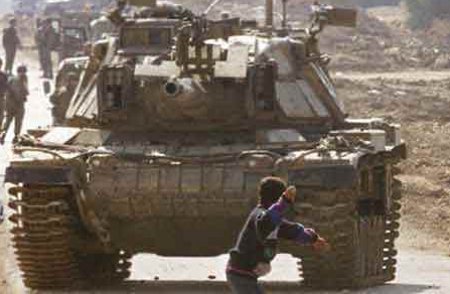
A proper understanding of the Israeli-Palestinian conflict requires exposing numerous myths about its origins and the reasons it persists.
Read More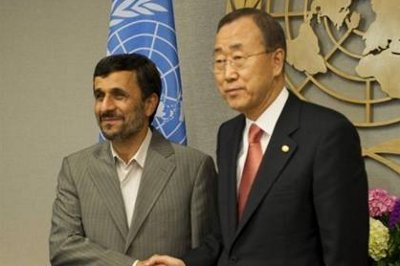
The United Nations Security Council yesterday passed a fourth sanctions resolution against Iran...
Read More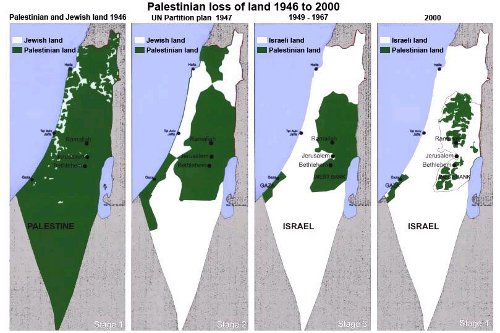
There is a general perception that the reason the Israeli-Palestinian conflict has continued for so long is because it is extremely complex. Nothing could be further from the truth. Placed in historical context, understanding the root cause of the conflict is simple, and in doing so, the solution becomes apparent.
Read More
An examination of the documentary record reveals a clear pattern of willful deception on the part of the 9/11 Commission with regard to alleged hijacker Hani Hanjour in an apparent effort to manipulate the facts to suit the official theory.
Read More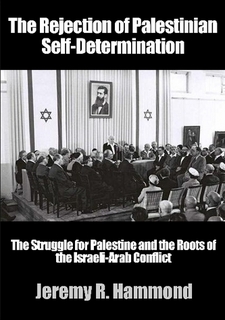
In 1947, Great Britain, unable to reconcile its conflicting obligations to both Jews and Arabs, requested that the United Nations take up the question of Palestine. In May, the U.N. Special Committee on Palestine (UNSCOP) was created by a General Assembly resolution. UNSCOP’s purpose was to investigate the situation in Palestine and “submit such proposals as it may consider appropriate for the solution of the problem of Palestine”.
Read More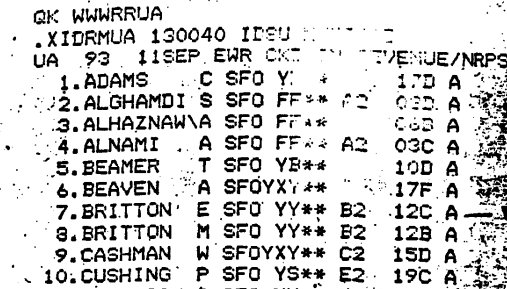
The claim that no Arab names appeared on the flight manifests for the planes hijacked on the morning of September 11, 2001 arose shortly after the terrorist attacks, and variations on the theme have persisted to this day.
Read More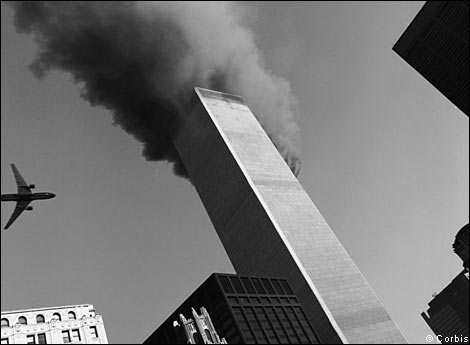
While serving out a hit piece against the global “9/11 Truth” movement, it is in fact the editors of the Washington Post who are demonstrably “fact-averse”.
Read More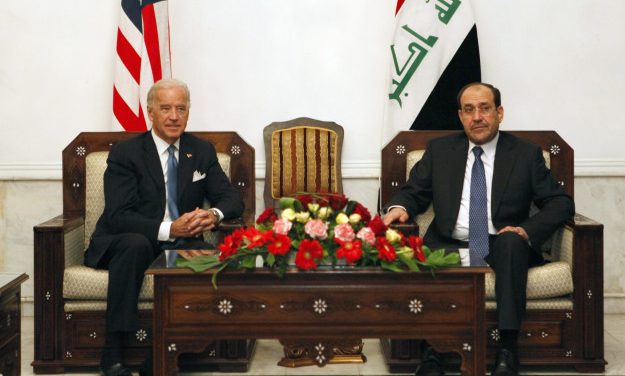
With the deadline for the withdrawal of U.S. troops from Iraq at the end of next year creeping nearer, the U.S. has to find some way to convince the Iraqi government to allow a continued military presence.
Read More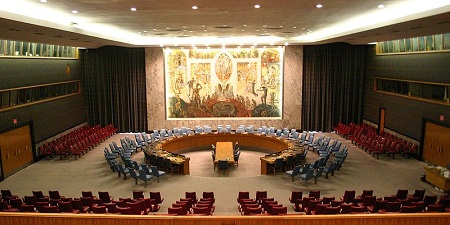
UN Security Council resolutions directly critical of Israel for violations of its Charter obligations and international law
Read MoreAfghanistan President Hamid Karzai has reappointed Uzbek warlord Abdul Rashid Dostum as his chief of army staff.
Read More