
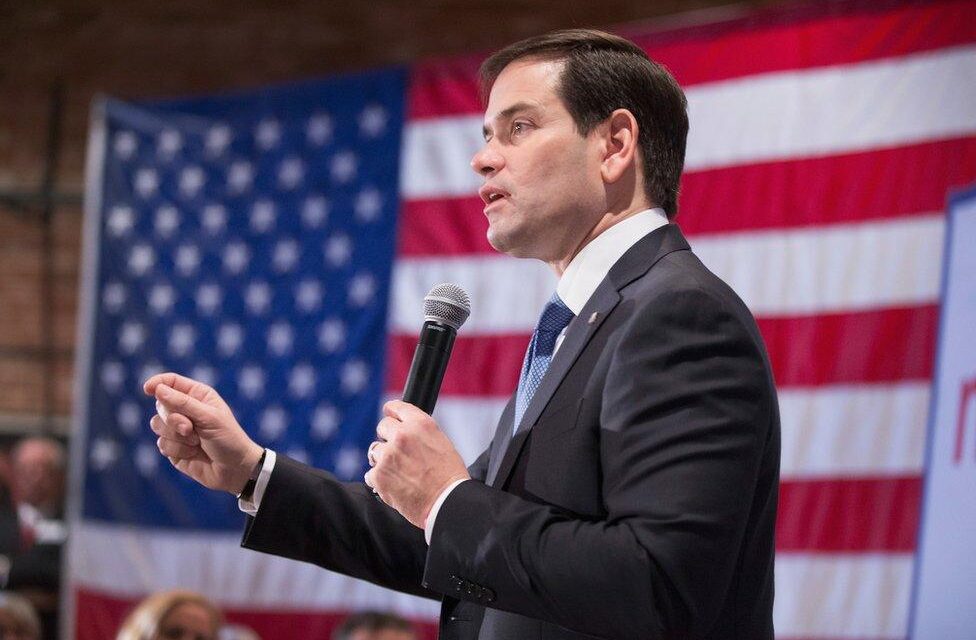
A federal judge has struck down a sweeping visa freeze targeting nationals from 75 countries, sharply criticizing the policy championed by Secretary of State Marco Rubio.
The court condemned the measure in unusually strong terms, invoking the word “Orwellian” to describe the administration’s justification for the blanket suspension of visa processing.
The ruling represents a significant legal setback for the State Department, which had moved to restrict visa issuance across a broad range of nations simultaneously.
Rubio had positioned the freeze as a national security and diplomatic leverage tool, arguing it gave the United States greater power in negotiations with foreign governments.
Critics, however, argued the policy was overbroad, arbitrary, and caused serious harm to individuals with legitimate claims to visas, including students, workers, and family members.
The judge’s decision found that the administration had overstepped its authority in implementing such a wide-ranging restriction without adequate legal grounding or procedural process.
Legal challenges to the freeze had been building since the policy was announced, with immigration advocates and affected individuals filing suits in multiple jurisdictions across the country.
The court’s use of the term “Orwellian” signals deep skepticism toward the government’s framing of the policy as a routine diplomatic or administrative measure.
The ruling adds to a growing body of court decisions that have pushed back against sweeping executive actions on immigration and foreign national entry under the current administration.
The State Department is expected to review its legal options following the decision, though it remains unclear whether the administration will appeal or attempt to reframe the policy under a different legal framework.
The case draws renewed attention to the limits of executive power in the area of visa and immigration policy, particularly when actions affect nationals from a large number of countries at once.
The outcome could have broad implications for how future administrations design and implement large-scale visa restrictions, especially those framed in terms of national security.
