
The Democratic Party is facing renewed internal debate over the ideological direction that contributed to its recent electoral struggles, with prominent voices now speaking candidly about past missteps.
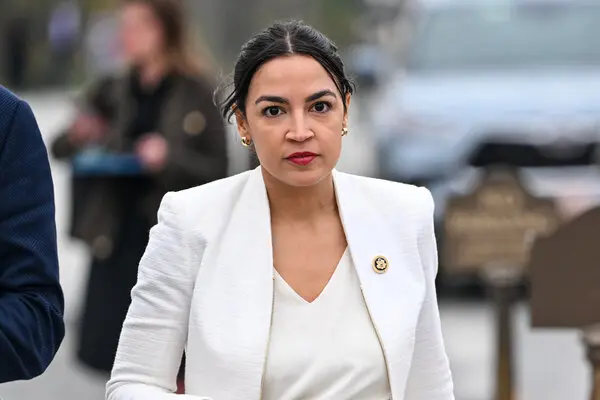
Representative Alexandria Ocasio-Cortez, one of the most recognizable progressive figures in American politics, has acknowledged that certain left-wing positions taken by Democrats went too far and alienated voters.
Her comments represent a notable moment of self-reflection from within the progressive wing of the party, which has faced sustained criticism for pushing policies that many ordinary Americans found extreme or disconnected from their daily concerns.
The admission adds to a growing chorus of Democratic voices willing to concede that the party’s messaging and policy priorities in recent years contributed to electoral losses that handed Republicans significant political advantages.
Internal party debates over ideology are rarely simple, but the willingness of high-profile progressives to publicly question their own movement’s tactics signals a potential shift in how Democrats plan to approach future elections.
Critics of the progressive wing have long argued that cultural and social positions adopted by the party’s left flank were counterproductive, energizing Republican base voters while doing little to expand the Democratic coalition.
The phrase widely associated with left-wing cultural politics became a liability on the campaign trail, with Democratic candidates in competitive districts frequently forced to distance themselves from positions championed by the party’s most vocal activists.
Ocasio-Cortez’s frankness on the matter is significant given her status as a leading voice of the congressional left, and her comments are likely to fuel further debate about where the party should draw ideological lines going forward.
For Democratic strategists eyeing the next election cycle, the question is no longer simply whether the party moved too far left, but how it rebuilds credibility with working-class and suburban voters who drifted toward Republicans in recent cycles.
The broader lesson many Democrats appear to be absorbing is that political movements must remain grounded in the economic concerns of everyday voters rather than prioritizing cultural battles that energize a base while pushing away persuadable Americans.
Whether the party’s progressive and moderate factions can forge a workable consensus ahead of the next major elections remains one of the defining questions facing Democrats as they seek to regain lost ground in Congress and beyond.
