
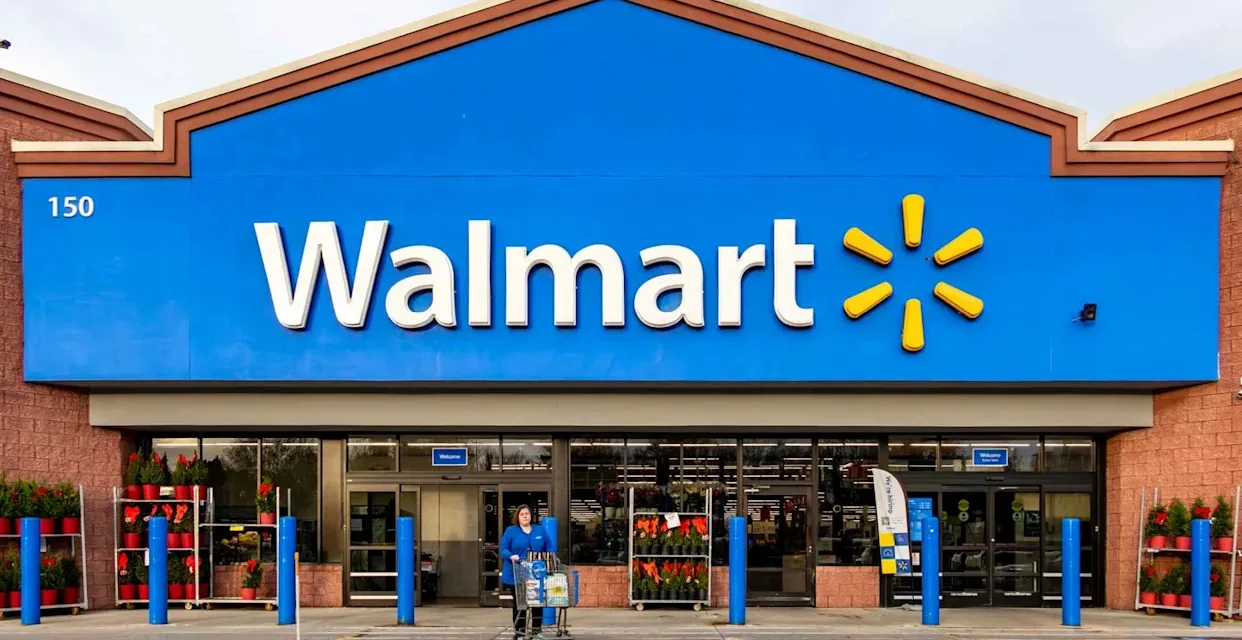
Walmart (NYSE: WMT) has introduced Express Pickup, a new service allowing Walmart+ members to have eligible orders ready for curbside collection in as little as one hour.
The rollout also includes a new in-store “Shop to Light” feature, which provides aisle-by-aisle navigation guidance to help customers locate items more efficiently.
Walmart is timing the launch strategically, deepening digital engagement with customers right at the start of the peak holiday shopping period.
The move tightens the connection between Walmart’s app, rapid curbside pickup, and in-store navigation, reinforcing the company’s broader omni-channel convenience story.
For investors, the key question is whether Express Pickup materially shifts the earnings narrative or simply adds incremental appeal to an already-established digital strategy.
The investment case for owning Walmart requires believing its blend of low prices, large store footprint, and growing digital services can offset thin margins and intense competition.
Express Pickup strengthens the omni-channel thesis but does not appear to significantly alter the near-term earnings catalyst around improving e-commerce profitability.
A central concern remains whether ultra-fast fulfillment and last-mile logistics will continue to weigh on margins if these services prove difficult to monetize at scale.
The recent expansion of Walmart Connect, the company’s advertising business, is particularly relevant, as it is framed as a high-margin, incremental profit pool that could interact positively with rising digital engagement.
As Express Pickup drives more customers into the app ecosystem, any uplift in digital traffic could feed directly into advertising revenues, which many investors already view as a key catalyst for improving Walmart’s overall economics.
Walmart’s financial projections point to $839.4 billion in revenue and $29.5 billion in earnings by 2029, requiring approximately 4.5% annual revenue growth and a roughly $7.4 billion increase from today’s $22.1 billion earnings base.
Analyst estimates place Walmart’s fair value at $126.78 per share, representing approximately 17% upside to its current trading price.
However, community estimates within the Simply Wall St platform show significant divergence, with 15 members placing Walmart’s fair value anywhere between $65.80 and $154.58 per share.
That wide range underscores how differently analysts and investors are weighing the risks of rising delivery and logistics costs in grocery and e-commerce against Walmart’s longer-term growth potential.
The profitability of ultra-fast curbside fulfillment on small customer baskets remains an open question, and investors will be watching closely to see whether Express Pickup expands average order values or compresses margins further.
