
A critical earnings season is underway for UK income investors, with major FTSE 100 dividend payers set to report quarterly and half-year results in the weeks ahead.
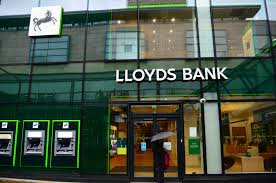
Lloyds Banking Group (LON: LLOY) is first out of the gate, with full-year results scheduled for January 29, kicking off what promises to be a busy stretch for dividend watchers.
Lloyds has delivered a near 100% total return since January 2025, benefiting from a broader rally in UK-listed bank stocks as investors scaled back expectations for interest rate cuts.
Banks were among the key sectors that pushed the FTSE 100 above 10,000 points for the first time at the start of 2026, reflecting renewed investor confidence in the financial sector.
Following Lloyds, GSK (LON: GSK) reports on February 4, with British American Tobacco (LON: BATS), Schroders (LON: SDR), and Unilever (LON: ULVR) all scheduled to release results on February 12.
NatWest (LON: NWG) follows on February 13, with Croda (LON: CRDA) and Diageo (LON: DGE) reporting on February 24 and February 25 respectively, and Bunzl (LON: BNZL) set for a March date.
Shell (LON: SHEL) and BP (LON: BP) are also central to the UK dividend calendar, with Shell reporting February 5 and BP on February 10, alongside HSBC (LON: HSBA) on February 25.
Reckitt (LON: RKT) stands out on the payment schedule, with a bonus dividend payout due on February 20, offering an additional income opportunity for shareholders outside its regular cycle.
Imperial Brands (LON: IMB) is the outlier among the screened stocks, releasing half-year results in May rather than the current reporting window, while still offering one of the higher yields in the index.
To qualify for the monthly dividend screen, FTSE 100 companies must carry a Narrow or Wide Morningstar Economic Moat Rating, pay a dividend, and maintain a forward yield of 3% or more.
For income-focused investors, the coming weeks represent a concentrated window of earnings activity, with full-year payout declarations from some of the UK market’s most reliable dividend payers.
