
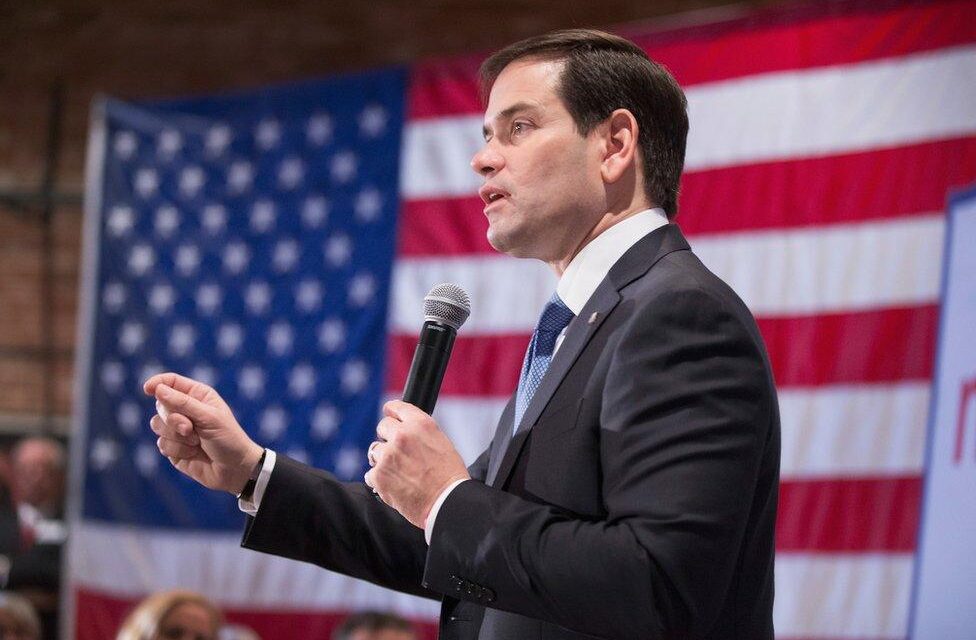
Secretary of State Marco Rubio is facing mounting pressure from senior House Democrats who are demanding an immediate briefing on the status of ongoing U.S.-Iran negotiations.
The request signals growing unease among Democratic lawmakers over the pace and transparency of diplomatic efforts between Washington and Tehran.
Democrats on key congressional committees have pushed for direct access to Rubio, arguing that legislators have a constitutional responsibility to be informed about any emerging nuclear agreement.
The demand reflects broader congressional frustration with the executive branch conducting high-stakes foreign policy discussions without adequate consultation with Capitol Hill.
Iran and the United States have been engaged in indirect and direct talks aimed at curbing Tehran’s nuclear program in exchange for sanctions relief, a process closely watched by allies and adversaries alike.
Any deal struck between Washington and Tehran would carry significant implications for regional stability in the Middle East, particularly for U.S. partners such as Israel and Saudi Arabia.
Republican leadership has largely backed the administration’s approach, leaving Democratic minority members relying on formal briefing requests to gain insight into the negotiations.
The push for a Rubio briefing underscores the deep partisan divisions over how much congressional oversight should apply to executive-led diplomatic initiatives of this magnitude.
Critics within the Democratic caucus have warned that a poorly structured agreement could leave critical verification mechanisms weak, allowing Iran to resume nuclear activities with limited international accountability.
The State Department has not publicly confirmed whether Rubio will comply with the Democrats’ request or outline a timeline for any such congressional engagement.
With negotiations at a potentially pivotal stage, the outcome of this institutional standoff between Congress and the State Department could shape how lawmakers respond to any finalized agreement.
The broader debate over Iran policy is expected to intensify in the coming weeks as diplomatic back-channels remain active and the window for a potential deal remains open.
