
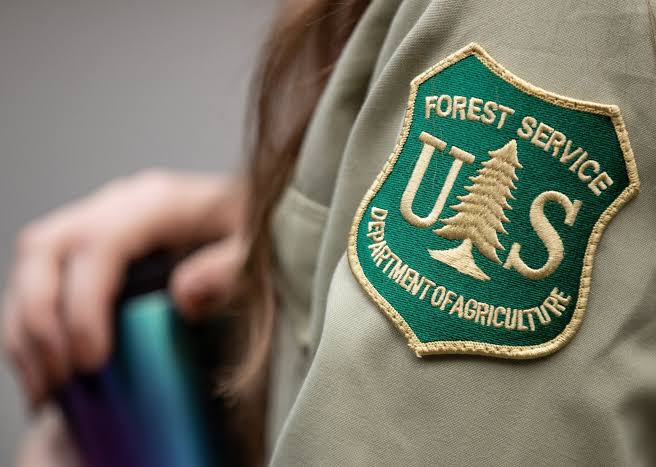
The U.S. Forest Service says it has exceeded its wildland firefighter hiring targets heading into what is shaping up to be a dangerous summer fire season.
Newly released figures provided by the agency show that 11,550 seasonal staff are now either being trained or ready to deploy across the country.
That number is approximately 200 above the agency’s initial hiring goals and roughly 6% ahead of schedule compared to the same point in recent years.
Forest Service Chief Tom Schultz attributed the strong hiring figures to recent pay raises for wildland firefighters, which he said helped attract seasonal workers.
The hiring push comes as Western states are historically dry, with fast-moving wildfires already igniting in and around populated areas including Spokane, Washington.
“I think the conditions we have are alarming,” Schultz told NPR. “But the Forest Service will be prepared for this season.”
Despite the encouraging numbers from the agency, state officials and former Forest Service employees across the West remain skeptical given the continued downsizing of the agency.
Since President Trump returned to the White House, the Forest Service has lost close to 6,000 permanent staff through layoffs, buyouts, and early retirements.
The agency is also undergoing a sweeping reorganization that includes relocating its headquarters to Utah and closing or consolidating dozens of research facilities and regional offices.
Washington state’s elected public lands commissioner, Dave Upthegrove, warned that “these layoffs at the federal level are presenting risk as to our ability to respond to major wildfires.”
Upthegrove expressed particular concern that the loss of permanent staff could create a shortage of elite incident command teams that states depend on when large fires demand a coordinated federal response.
Many of the permanent rangers, timber technicians, and other workers who were let go also held red cards, meaning they were trained and certified to leave their regular duties and deploy directly to wildfire operations.
“If we have a bad year for fire throughout the United States it could mean a shortage of these federal teams,” Upthegrove said. “We are preparing contingency plans.”
The tension between the administration’s staffing claims and the concerns raised by state officials reflects a broader debate over whether seasonal hiring numbers can compensate for the deeper institutional capacity lost through permanent workforce reductions.
