
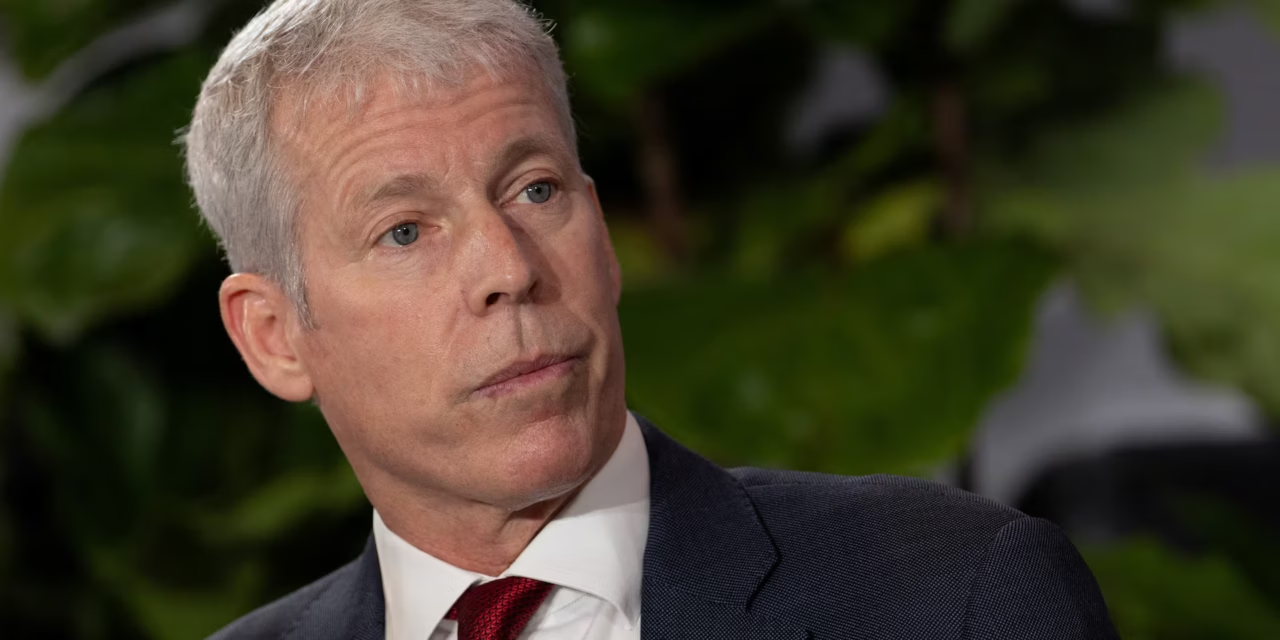
Energy Secretary Chris Wright defended President Donald Trump’s decision to waive sanctions on Russian diesel exports, framing it as a deliberate incentive to draw Moscow toward peace negotiations with Ukraine.
Wright made his remarks on ABC’s “This Week,” arguing that four years of conflict had proven that conventional pressure alone could not bring both sides to the negotiating table.
“This is a carrot to try to end a war. It’s not an economic lifeline for Russia,” Wright said, pushing back against critics who characterized the move as a gift to Moscow.
Wright explained that “Russia today exports a lot of oil. That’s what they want to export. We have very tight sanctions on Russian oil.”
He added that the executive action was narrow in scope, targeting only diesel fuel, noting that “Russia exports today zero diesel” and that the world faces a shortage of that specific commodity.
Wright stressed that “this is an incentive to Russia, that if they can reduce the conflict with Ukraine, they can get an energy ceasefire, or reduce the conflict such that they have diesel to export, we’ll allow it to flow to world markets.”
The waiver came after Trump signed a broader sanctions package into law in September targeting Russian officials and parts of its economy, which Wright insisted remain largely intact, with the diesel provision representing a conditional carve-out.
Wright argued that Russia can only benefit from the diesel relief by reducing its war effort or reaching an agreement with Ukraine that would allow it to repair its oil refineries, framing the measure as leverage rather than relief.
The move has drawn sharp criticism from lawmakers and foreign leaders, including Ukrainian President Volodymyr Zelensky, who called the waiver “wrong” and said it benefits only Russia.
Wright dismissed those concerns, insisting that skeptics misunderstand the administration’s strategic thinking and that the current sanctions regime remains the strongest ever imposed on Russia.
The administration’s position has been complicated by conflicting statements on whether an energy ceasefire is already in place, with both Ukraine and Russia denying any such agreement exists.
When pressed on Trump’s earlier claim that both sides had agreed to a ceasefire, Wright said only that “President Trump is always working to move them in the direction to have that kind of a deal.”
That characterization sits in stark contrast to Trump’s own remarks earlier in the week, when he told a reporter about the supposed agreement: “Well, they agreed. Because I said you agreed. That’s why.”
Trump elaborated on his approach Sunday in a Truth Social post, writing, “I am in the process of negotiating Peace in the war between Russia and Ukraine, and don’t want to do anything that will drive, foolishly, Russia away from the bargaining table.”
Wright also connected the diesel issue to domestic economic concerns, noting that high diesel prices have weighed on American consumers since the U.S. entered into conflict with Iran earlier this year.
