
British stocks fell on Friday as escalating Middle East tensions kept oil prices elevated, coming one session after the FTSE 100 closed 1.08% higher, its strongest finish in over six weeks.
The FTSE 100 (INDEXFTSE: UKX) declined 0.18% as of 03:16 ET, while Germany’s DAX moved in the opposite direction, gaining 0.61% during the same period.
France’s CAC 40 edged lower by 0.08%, and sterling strengthened 0.33% against the dollar, reaching $1.3318 during morning trading.
Brent crude futures slipped 0.67% to $105.21 a barrel, while U.S. West Texas Intermediate dropped 0.76% to $97.24, keeping energy markets on edge.
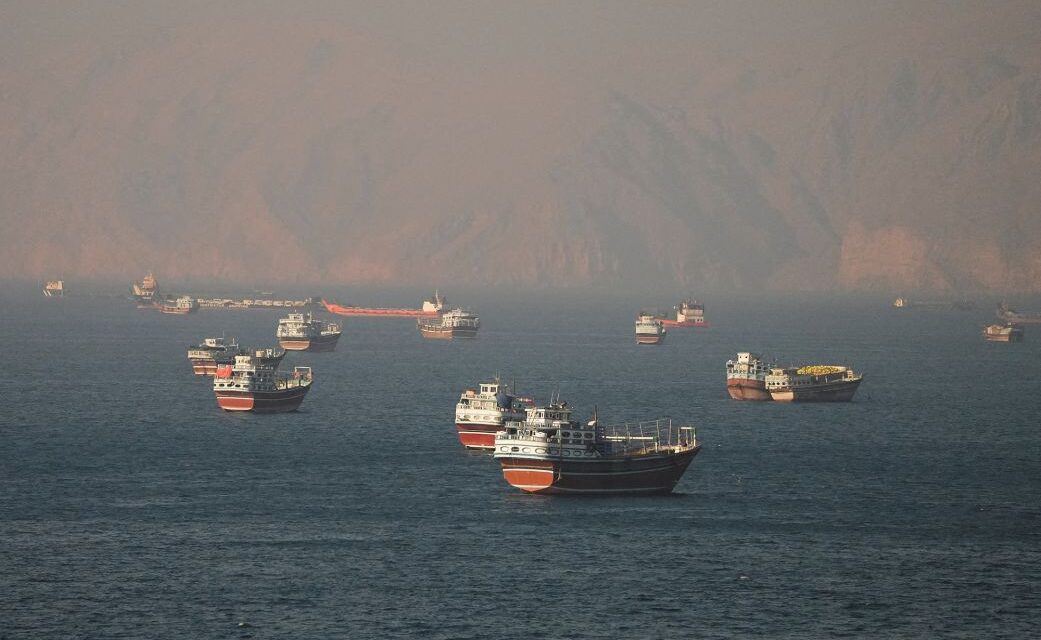
Iran’s army commander-in-chief Amir Hatami declared that the Strait of Hormuz “will remain closed until the enemy respects the rights of the Iranian people,” adding that traffic was “very, very limited.”
Hatami’s comments, reported by Iran’s Mehr news agency, added fresh urgency to an already volatile geopolitical situation that has rattled energy markets for weeks.
U.S. Central Command pushed back on Thursday, stating that the United States “and regional partners control the strait as commercial vessels continue to transit despite unwarranted IRGC aggression.”
U.S. President Donald Trump said in a Newsmax interview on Thursday that he would not use nuclear weapons against Iran and did not envisage deploying American ground troops there.
Washington is also reportedly weighing whether to ease sanctions on some shadow-fleet tankers, a potential move aimed at reducing shipping costs amid the ongoing disruption.
Analysts at ING, Warren Patterson and Ewa Manthey, said oil “remains well-supported,” with the market pricing in a “significant risk premium” that would only fully clear with a U.S.-Iran agreement.
ING also noted that IEA members agreed to release the remaining 100 million barrels of a 400 million-barrel March pledge, with only 20 million barrels designated as diesel, far below the roughly 50 million initially proposed.
That shortfall in diesel supply could push Washington to revisit diesel export curbs, adding another layer of uncertainty to an already strained global energy picture.
On the domestic front, Ofgem launched a consultation on activating its market stabilisation charge, designed to shield energy suppliers from wholesale price volatility heading into the winter season.
