
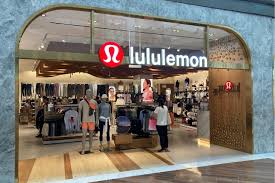
Lululemon Athletica Inc. (NASDAQ: LULU) has shed more than 36% of its value over the past six months, a stark contrast to the 42% gain posted by the Insider Monkey Billionaire Index over the same period.
For years, Lululemon held something most apparel brands spend decades trying to build: a loyal customer base willing to pay premium prices without hesitation.
That pricing power, rooted in genuine brand affinity and community engagement, kept margins high and made Lululemon far more than a typical athletic wear retailer.
That advantage is now under serious pressure, and the company’s most recent financial results make the challenge hard to ignore.
In the second quarter, Lululemon’s revenue fell 4% to $2.4 billion, while comparable sales dropped a steeper 10%, with North America bearing the worst of it at an 8% revenue decline.
Management acknowledged that consumer response to new products remained inconsistent, which points to a deeper issue than temporary macroeconomic softness.
The most alarming signal came from its core women’s category, where leggings sales fell approximately 20% in Q2, even as Lululemon retained its position as market leader in the segment.
Customers are shifting toward looser, “away-from-body” silhouettes, and while newer styles such as Groove and updated Dance Studio products are gaining traction, they have not offset the leggings decline.
The company is responding by cutting SKUs, shortening product lead times, and chasing roughly 20% more volume this year than last, but fashion cycles are unforgiving and trends can move faster than supply chains.
Competitors including Alo Yoga and Vuori have grown more visible precisely as Lululemon’s product missteps, including complaints over its Get Low leggings, attracted negative attention.
Internal pressure compounded the brand’s difficulties, as a prolonged dispute involving founder Chip Wilson and activists led to management changes, ultimately resulting in former Nike executive Heidi O’Neill taking over as CEO in September.
O’Neill’s central challenge is rekindling genuine consumer desire for Lululemon products, rather than simply defending the brand’s existing lineup through marketing spend.
Reinforcing the product-first strategy, Lululemon appointed former Nike executive Maggie Gauger as chief product officer on October 7, signaling how critical product development has become to any meaningful recovery.
Outside North America, the picture remains more encouraging, with rest-of-world revenue rising 6% on a constant-currency basis in Q2, and management still viewing China and other international markets as meaningful growth opportunities.
Japan stands out as one of Lululemon’s strongest international markets, but global expansion alone cannot substitute for a healthier North American business, which still represents the company’s deepest customer base and strongest unit economics.
Hedge fund sentiment reflected broader concern, with Insider Monkey’s database showing 51 hedge funds holding LULU in Q2, down from 61 in Q1, and the total value of those positions falling from $1.14 billion to $611.94 million.
At 10.74 times forward earnings, Lululemon now trades well below the peer average of roughly 15.8 times, a discount that reflects genuine uncertainty rather than simple market pessimism.
The valuation is far removed from the mid-forties earnings multiple the stock once commanded, and while the business continues to generate strong profits, growth has consistently fallen short of the expectations that once justified that premium.
Whether that discount represents opportunity or a value trap depends almost entirely on whether O’Neill and Gauger can build a product pipeline that reconnects with North American consumers before Alo, Vuori, and others claim more of the market.
Lululemon has not lost its brand overnight, but it has lost the product conviction that once made buying its next collection feel like an obvious decision for millions of customers.
