
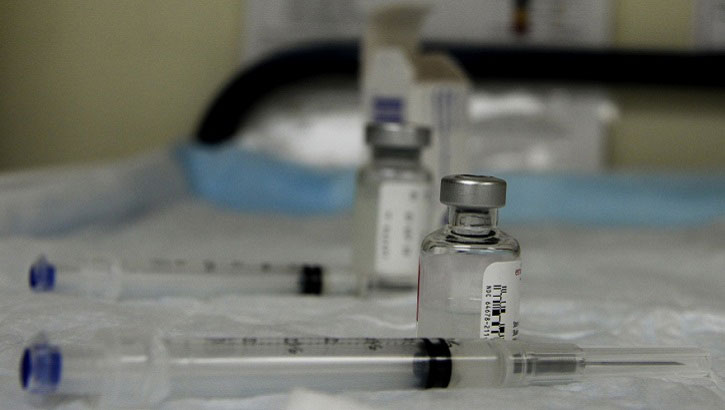
Physicians and medical organizations are calling on Americans to get vaccinated against influenza now, before the virus begins spreading widely across the country.
Flu season poses a serious public health burden each year, causing hundreds of thousands of hospitalizations and tens of tens of thousands of deaths annually in the United States.
Almost everyone aged six months and older is advised to receive a flu vaccine, though certain groups face considerably higher risks from the illness.
People aged 65 and older, pregnant women, young children, and individuals with chronic conditions including asthma, diabetes, heart disease, and compromised immune systems are considered especially vulnerable.
The Food and Drug Administration has recently approved a new flu vaccine option for people aged 50 and older, marking the first flu shot developed using mRNA technology.
The vaccine, Moderna’s mFlusiva, was found in one study to be 27% more effective against symptomatic illness in adults aged 50 to 64 compared to a standard flu shot.
For those who prefer to avoid needles, FluMist, a nasal spray option, remains available for eligible individuals between the ages of 2 and 49 who meet specific health criteria.
On timing, one doctor offered straightforward advice: “October is a great month to get your flu shot. Get it done by Halloween.”
This year’s vaccination guidance process has been complicated by a court battle surrounding the CDC’s independent advisory panel, leaving the agency without updated public recommendations.
In the absence of federal guidance, the American Academy of Pediatrics, the American Academy of Family Physicians, the American College of Obstetricians and Gynecologists, and the Infectious Diseases Society of America have each published their own vaccination guidelines.
These organizations have also released the scientific evidence supporting their recommendations, helping patients and clinicians make informed decisions during an unusually uncertain public health guidance period.
Medical professionals continue to stress that getting vaccinated sooner rather than later remains the most effective personal defense against a virus that strains hospitals and claims tens of thousands of American lives every year.
