
Fresh revelations about former JPMorgan executive Jes Staley sharing confidential information with Jeffrey Epstein have returned bank governance and compliance to the center of investor attention.
That renewed focus carries a dual edge, punishing banks seen as weak on internal controls while rewarding those viewed as more transparent and tightly run.
Three large regulated European bank stocks sit directly in the crosshairs of this shift, each carrying distinct governance profiles that could help or hurt their long-term appeal.
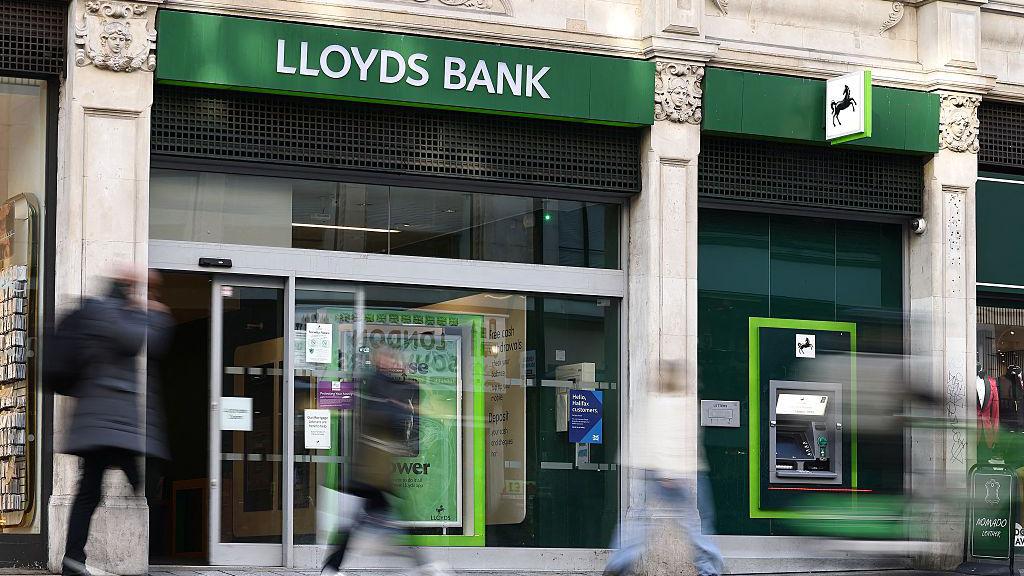
Lloyds Banking Group (LSE: LLOY), with a market cap of roughly £63.2 billion, is one of the UK’s largest retail and commercial banks, offering current accounts, mortgages, SME lending, motor finance and pension and investment products.
Most of Lloyds’ revenue flows from its Retail segment at about £11.9 billion, followed by Commercial Banking at about £5.7 billion and Insurance, Pensions and Investments at about £1.4 billion.
The bank’s Accelerate 2030 plan targets about £2 billion in gross cost savings while shifting earnings toward fee-based insurance, pensions and wealth businesses that are less dependent on lending margins.
Investors must still weigh conduct and remediation risks alongside a historically uneven dividend record, even as Lloyds’ capital position and board independence scores remain strong relative to peers.
Commerzbank (XTRA: CBK), with a market cap of roughly €44.2 billion, serves private, small business, corporate and institutional clients across Germany and internationally under EU regulatory standards.
The majority of Commerzbank’s revenue comes from its Private and Small Business Customers segment at about €7.1 billion, with Corporate Clients contributing about €4.4 billion, providing a blend of retail stability and corporate fee income.
UniCredit’s growing stake and pending regulatory decisions add an additional layer of governance complexity and potential corporate change that investors cannot afford to ignore.
NatWest Group (LSE: NWG) carries a market cap of roughly £55.0 billion and runs a broad mix of retail banking, wealth services and a sizeable Commercial and Institutional arm that generated about £8.9 billion in revenue.
NatWest’s Retail Banking division contributed about £6.3 billion in revenue, while Private Banking and Wealth Management added about £1.2 billion, rounding out a well-diversified income base.
The bank is leaning into cost rationalization, customer growth and capital returns, yet still faces pressure from tighter mortgage spreads, regulatory demands and ongoing technology investment requirements.
All three banks are navigating a moment when the Staley revelations are pushing investors to re-examine how financial institutions handle risk, data oversight and internal compliance culture.
The central question across all three is whether governance credentials and cost discipline can translate into more resilient long-term shareholder returns as regulatory and conduct scrutiny intensifies across the sector.
