
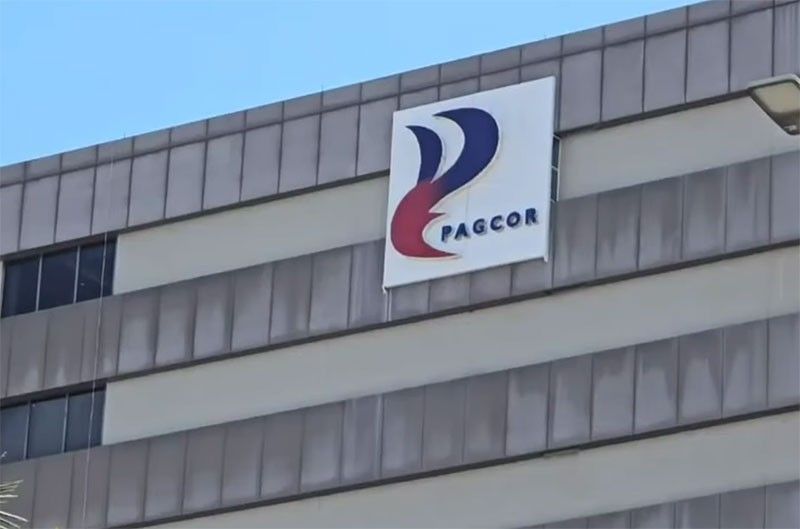
More than 60 percent of the Philippines’ licensed online gambling operators are now generating revenue below the threshold set by a new regulatory fee, according to reports this month from AGB and iGamingToday, as the Philippine Amusement and Gaming Corporation’s minimum guaranteed fee regime took effect July 1 following two deferrals tied to the country’s economic conditions.
Under the fee structure, confirmed by PAGCOR in a December memorandum, Gaming System Administrators offering electronic casino games must pay a monthly minimum of PHP9 million, or roughly $155,000, once gross gaming revenue exceeds PHP30 million during the first tranche, which runs through December 31. Operators without electronic casino games face a smaller PHP3 million floor above a PHP15 million revenue threshold.
PAGCOR Assistant Vice President Jessa Mariz Raymundo Fernandez said the fee was designed to “ensure all accredited Gaming System Administrators contribute equitably to national revenue” and to reinforce “a sustainable, accountable, and integrity-driven gaming industry.”
Brian Ng, president of Philippine gaming technology firm PhilWeb Corp, said the fee floor could trigger a shakeup among smaller operators but would ultimately favor established, compliant companies. “It might cause a shakeup, but it will allow serious players to remain in the industry,” Ng said, adding that stronger competition among legitimate operators would improve product quality for consumers.
Ng estimated that of the roughly 65 Gaming System Administrators PAGCOR had accredited, only 15 to 20 accounted for about 80 percent of total gross gaming revenue in the sector, meaning the fee floor’s practical impact may fall hardest on a long tail of smaller, thinly capitalized licensees rather than the market as a whole.
A new white paper from gaming advisory firm Arden Consult, reported on by the Manila-based publication InsiderPH, argued regulators should measure the reform’s success less by headline gaming revenue and more by channelization, the share of betting activity that shifts toward licensed platforms rather than unregulated ones. The paper noted that beginning August 1, a related enforcement measure kicks in as well: non-compliant business-to-business suppliers face decommissioning.
The rollout follows a broader regulatory shift that began in November 2024, when President Ferdinand Marcos Jr. signed Executive Order No. 74, ordering the shutdown of all Philippine Offshore Gaming Operators by the end of that year. A year later, the Anti-POGO Act made the ban on offshore platforms targeting Filipino consumers permanent.
With the offshore track closed, PAGCOR’s domestic licensing structure, known as the Philippine Inland Gaming Operator framework, is now the only route for online gambling operators seeking to serve the market legally. PIGO licenses require land-based anchoring, geo-fencing and substantial local capitalization.
That leaves the Philippines with one of the more tightly bounded online gambling licensing regimes in the region, and invites an obvious comparison with how neighboring markets handle the same question. For a global breakdown of regulated online gambling markets, resources such as online-gambling.com show how the Philippines’ PAGCOR-run domestic system sits alongside a patchwork of national frameworks across Southeast Asia, most of which have no equivalent licensing structure at all.
How that balance plays out will depend on whether legal operators can stay competitive with illegal alternatives even as smaller licensees consolidate, merge or exit the market in the months ahead.
