
Waymo co-CEO Dmitri Dolgov has drawn a sharp distinction between his company’s sensor strategy and Tesla’s (NASDAQ: TSLA) camera-only approach to autonomous driving.
Speaking during a Y Combinator keynote this week, Dolgov addressed one of the most contentious debates in the autonomous vehicle industry: whether lidar is necessary for safe, reliable robotaxi operation.
“There has been a long-standing debate about what kind of sensors you actually need for autonomous driving,” Dolgov said, adding, “Naturally, more sensors means higher performance, but it also means higher complexity.”
Waymo vehicles rely on three distinct sensing modalities, combining radar, lidar, and cameras, while Tesla’s robotaxi platform depends on cameras alone.
Dolgov was careful to clarify that Waymo’s sensors are not simply redundant backups for one another, with each operating through its own separate processing system before data is merged.
The Waymo co-CEO pointed to a concrete example from the company’s testing, where lidar was able to identify a pedestrian during a Phoenix dust storm at a time when cameras could barely detect anything.
Dolgov described the challenge of autonomous reliability as an “exponential ladder of nines,” where each additional level of reliability demands roughly ten times more effort than the previous one.
He also addressed the cost criticism that camera-only advocates frequently raise, noting that Waymo is now on its sixth generation of hardware and that each iteration has dramatically reduced the price of its sensor suite.
Betting against sensors like lidar based on today’s pricing, Dolgov warned, means relying on “a number that has a fairly short shelf life,” a pointed reference to the cost trajectory of the technology.
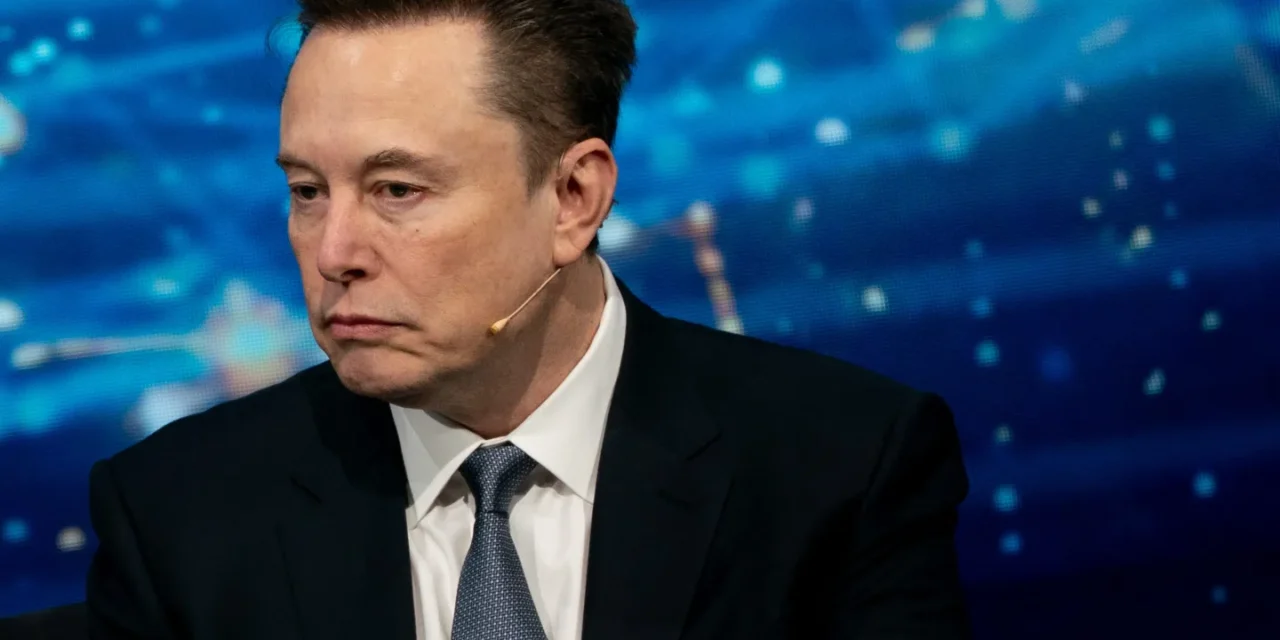
Tesla’s CEO Elon Musk has long dismissed lidar, calling it “a fool’s errand” and stating that anyone relying on the technology is “doomed,” a position that shaped Tesla’s decision to remove radar in 2021 and ultrasonic sensors in 2022.
Tesla launched its robotaxi service in Austin in 2025, running entirely on its camera-based Tesla Vision system, though its own data has shown a crash rate approximately three times worse than human drivers, even with a safety monitor present.
The mileage gap between the two companies remains stark, with Waymo having logged 220 million rider-only miles compared to Tesla’s reported 380,000 driverless miles.
Regulators and industry experts have broadly sided with the multi-sensor approach, and Waymo’s operational scale continues to position it as the benchmark against which other autonomous platforms are measured.
