
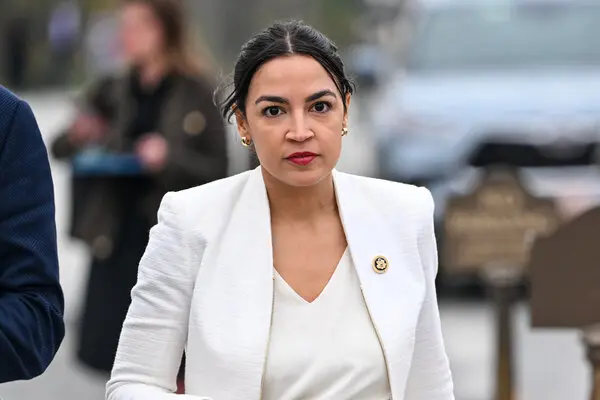
The Democratic Socialists of America held its national convention in Chicago, with the question of a presidential endorsement dominating discussions among attendees.
Hundreds of delegates gathered at a hotel conference facility in Chicago for the DSA’s summit, where the prospect of backing a 2028 presidential candidate generated significant energy.
The central figure in those conversations was Alexandria Ocasio-Cortez, widely viewed as the most prominent potential candidate aligned with the democratic socialist movement.
The DSA has not yet resolved whether it will formally endorse a presidential contender, with internal debate reflecting deep divisions within the organization over electoral strategy.
A key procedural vote of 14 to 13 blocked an all-member poll on a potential Ocasio-Cortez endorsement, illustrating how closely contested the question remains within the group’s leadership.
Ocasio-Cortez herself has been clear on her current position, emphasizing that she is not running for any other office and is therefore not seeking endorsements from any organization.
Despite that stance, activist energy around her political future continues to build within progressive circles, particularly as the DSA expands its electoral footprint across the country.
The organization has won at least 30 primaries in 2026, signaling growing influence within Democratic Party politics at the local and state level.
Among the most high-profile of those victories was Janeese Lewis George’s win in Washington, D.C.’s Democratic mayoral primary, a result that drew national attention to the DSA’s organizing capacity.
The group has also recorded significant wins in New York, reinforcing its position as a meaningful force in urban Democratic politics heading into the next presidential cycle.
The broader political vacuum on the American left has created conditions in which the DSA’s brand of democratic socialism is finding new audiences and new electoral opportunities.
Whether that momentum translates into a coordinated presidential campaign effort in 2028 remains an open question, but the Chicago convention made clear that activists are already thinking seriously about the path ahead.
