
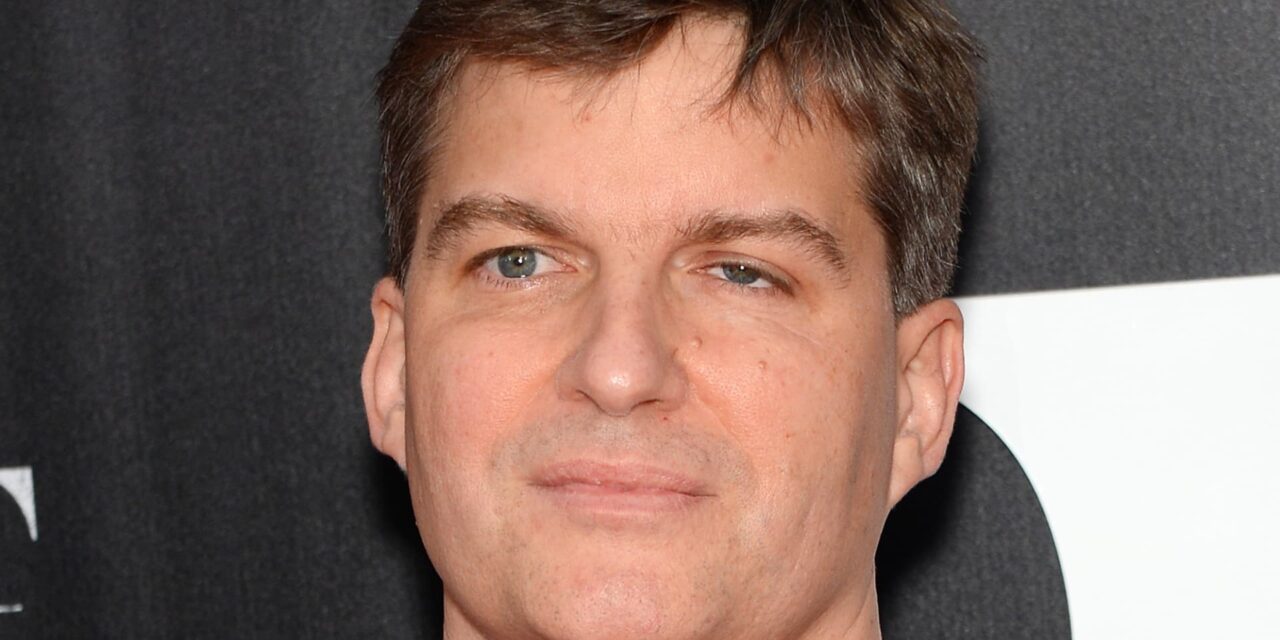
Michael Burry, the investor made famous by his prescient bet against the U.S. housing market, is drawing a sharp line between technology and everything else.
Burry is expanding bearish positions against Nvidia (NASDAQ: NVDA) and Micron Technology (NASDAQ: MU) while simultaneously adding to consumer, healthcare, and gambling stocks, signaling his belief that the AI trade has outpaced sustainable returns.
His latest semiconductor short positions include Nvidia puts expiring in December 2026, QQQ puts expiring in January 2027, and short positions in both Micron and the iShares Semiconductor ETF.
The moves come against a backdrop of exceptional financial performance from the very companies he is betting against, with Nvidia reporting an 85% revenue surge to $81.6 billion in its most recent results.
Micron posted record quarterly revenue of $41.5 billion and guided for approximately $50 billion in the following quarter, making Burry’s short thesis dependent on a market correction rather than fundamental weakness.
On the long side, Burry described his activity plainly: “All buys and additions to positions, no sells.”
He increased his DraftKings (NASDAQ: DKNG) stake at around $23.40 and added to Flutter Entertainment, calling the gambling investments a larger position and pointing to potential regulatory relief from competition posed by prediction markets.
Burry has previously argued that regulatory action could reduce the competitive threat from prediction markets, which currently operate without the same state taxes and regulations that traditional sportsbooks must navigate.
He also added to Zoetis (NYSE: ZTS) at roughly $76 and Lululemon Athletica (NASDAQ: LULU) near $118, designating both as full positions and writing, “Like the two above, this is a basing/consolidation after a long fall.”
The Lululemon purchase stands out as particularly contrarian, given that first-quarter Americas revenue fell 3%, operating margin declined 730 basis points, and earnings dropped to $1.69 per share from $2.60 the prior year.
Management now expects full-year revenue to be roughly flat to down 1%, meaning Burry’s thesis rests on stabilizing domestic demand and a recovery in margins over coming quarters.
With Nvidia’s next earnings scheduled for August 26, investors will be watching closely to see whether the AI spending cycle shows any signs of plateauing.
Burry’s options positions carry fixed expiration dates, which means the timing of any AI-driven correction will be nearly as critical to his returns as the scale of that correction when it arrives.
