
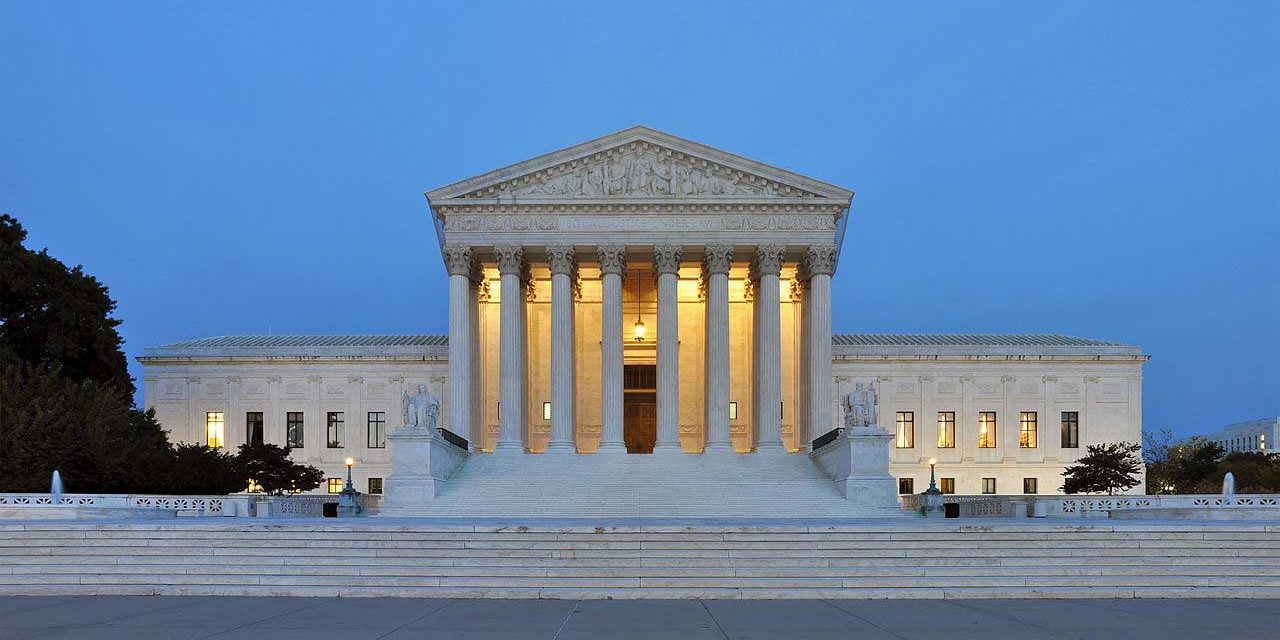
The descendants of Dred Scott and the judge who ruled on his landmark case are speaking out about what they see as troubling echoes in contemporary American life.
The Dred Scott decision, handed down in 1857, is widely regarded as one of the most reviled rulings in the history of the United States Supreme Court.
The case centered on whether Scott, an enslaved man, had the legal right to sue for his freedom after living in free territories with his enslaver.
Chief Justice Roger Taney ruled that Black Americans were not citizens and had no standing to bring a case before a federal court, stripping them of fundamental legal protections.
The decision is broadly condemned by legal scholars and historians as a critical catalyst for the tensions that ultimately ignited the Civil War just four years later.
Descendants of both Scott and the judge who ruled on his case have come forward to reflect on the ruling’s legacy and what it means to be American in 2026.
Their perspective carries particular weight at a time when questions about citizenship, civil rights, and the boundaries of legal personhood are being actively debated across the country.
Legal scholars have long described the ruling as one of the most consequential and damaging in the Court’s history, with its effects reverberating through American law and society for generations.
The word “odious” has been applied to the decision by critics across the political spectrum, reflecting the near-universal agreement that Taney’s ruling represented a profound moral and legal failure.
For the families descended from those directly involved in the case, the parallels they see between 1857 and today speak to enduring questions about who counts as fully American under the law.
The conversation between these descendants offers a rare and deeply personal lens through which to examine how unresolved historical injustices continue to shape the nation’s legal and political identity.
