
Rocket Lab Corporation (NASDAQ: RKLB) has placed Synspective’s tenth StriX radar Earth-observation satellite into a 552 km orbit aboard its Electron rocket, marking another operational milestone for the company.
NASA has selected Rocket Lab for three dedicated Electron launches supporting the PolSIR and TSIS-2 science missions, with operations set to begin from New Zealand in 2027.
The company also completed the VICTUS HAZE responsive launch for the U.S. Space Force, a mission described as record-fast and one that underscores Rocket Lab’s expanding role as an integrated launch and space-systems provider.
The VICTUS HAZE mission is considered particularly significant because it demonstrates Rocket Lab acting as a true prime contractor, vertically delivering spacecraft, launch, and on-orbit operations for a time-critical defense program.
That capability positions the company squarely within the growing national security space market, where larger, higher-value contracts could reduce its dependence on one-off commercial launch awards.
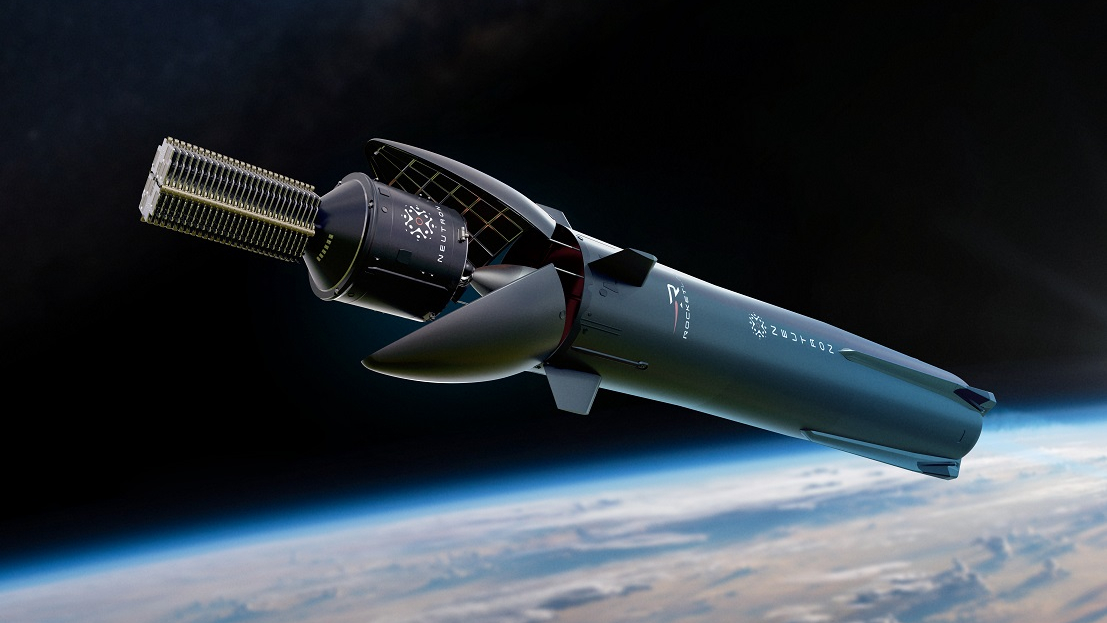
To own Rocket Lab, investors must believe it can transform its small launch and space systems platform into a durable, high-margin business while simultaneously funding heavy Neutron development spending and ongoing losses.
The NASA launch award and record VICTUS HAZE response both support the thesis that government and defense demand can help fill the revenue gap, but they do not remove near-term risks around cash burn, dilution, and execution on large programs.
Analysts projecting a more optimistic outlook forecast Rocket Lab reaching $1.7 billion in revenue and $167.5 million in earnings by 2029, with a calculated fair value estimate of $103.91 per share, representing approximately 23% upside to its current price.
More cautious analysts have assumed Rocket Lab might reach approximately $1.3 billion in revenue and just $16.4 million in earnings by 2028, a considerably more pessimistic view of how quickly the company can scale margins and operations.
The wide gap between bull and bear forecasts serves as a reminder that investors should weigh several very different interpretations of the same company story before committing to a position.
Escalating Neutron development costs and continued equity issuance remain real risks that could weigh on shareholders even as the company accumulates impressive operational achievements and high-profile government contracts.
The growing backlog of civil and defense missions does, however, strengthen the argument that Rocket Lab is transitioning from a pure launch provider into a vertically integrated space systems business with durable government relationships.
Whether that transition happens fast enough to justify the current valuation and offset ongoing losses is the central question every investor in the company must answer for themselves.
