
Europe’s auto market is showing renewed momentum, with new-vehicle registrations rising for the third consecutive month in April across the region.
Total registrations climbed 7% to 1.15 million vehicles, according to the European Automobile Manufacturers’ Association, with Germany and the UK among the major markets contributing to the gain.
The standout shift was in powertrain demand, as electric vehicle deliveries jumped 38% across Europe, supported by more affordable models from Volkswagen, Stellantis (NYSE: STLA), and Chinese brands led by BYD (BYDDF).
In Germany, Europe’s largest car market, a new subsidy helped push EV sales up 41%, suggesting that policy support is adding meaningful momentum to the broader market recovery.
Hybrid deliveries also rose during the period, while petrol and diesel sales fell, pointing to a continued structural shift toward battery-powered vehicles across the continent.
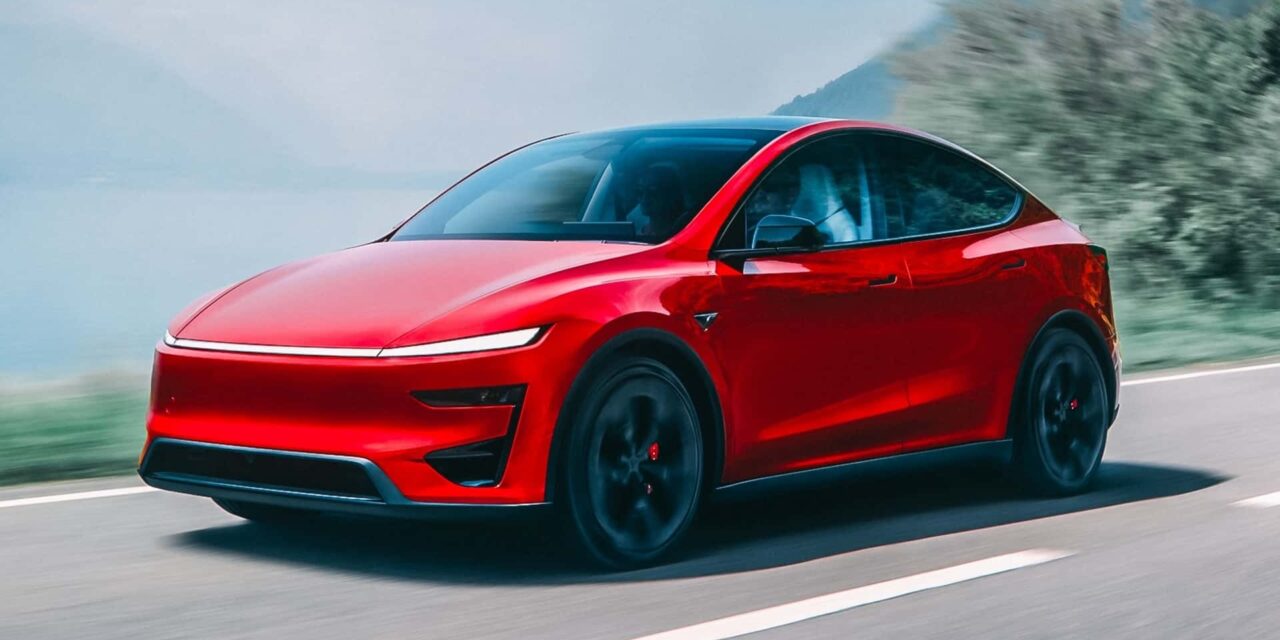
Tesla (NASDAQ: TSLA) extended its European rebound after a difficult 2025, with sales jumping 47% in April, joining Volkswagen, Stellantis, Mercedes-Benz, and BMW in posting higher deliveries.
The high-end EV segment tells a more complicated story, as Ferrari shares fell after its first electric supercar, the 550,000 Luce, failed to impress critics and investors.
The Ferrari result suggests that affordable EV demand may be improving faster than consumer appetite for premium, higher-priced battery-powered models.
Chinese automakers are gaining further traction in Europe, offering some relief from the intense price competition they face in their home market.
Geely and BYD remained among the top-selling Chinese brands in the region, while Chery posted a 322% increase, helped by strong demand for its Jaecoo sport utility vehicles among British buyers.
Volvo, majority-owned by Geely, drew additional investor attention after reaching an agreement with the Trump administration allowing it to avoid a US ban on connected vehicles tied to China, sending its shares up as much as 9.6% in Stockholm.
One risk investors are still monitoring is energy costs, as Bloomberg Intelligence warned that higher costs triggered by the Iran war could dent consumer confidence and threaten spending on major purchases like automobiles.
