
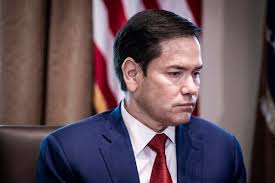
Secretary of State Marco Rubio’s visit to Yerevan delivered a prominent show of U.S. support for Prime Minister Pashinyan just days before the June 7 election.
Pashinyan has made deepening ties with the West a central pillar of his campaign platform heading into the vote.
Key policy goals include securing EU visa-free travel for Armenian citizens and pursuing greater regional trade integration with European partners.
The election represents a defining moment for Armenia’s foreign policy direction, with voters set to weigh in on the country’s geopolitical trajectory.
Russia has moved to counter Pashinyan’s westward push, applying economic pressure as part of its effort to influence the outcome.
Moscow is also reportedly backing political forces considered more favorable to Russian interests as it seeks to weaken Pashinyan’s standing.
The contest has taken on significance beyond Armenia’s borders, with both Western governments and Moscow watching the result closely.
Rubio’s appearance in Yerevan signaled that Washington views the Armenian election as consequential to broader U.S. interests in the region.
Pashinyan’s campaign framing positions the June 7 vote as a choice between continued alignment with Russia or a more decisive pivot toward the West.
The outcome will likely shape Armenia’s relationships with both the European Union and Russia for years to come.
Economic leverage remains one of Moscow’s primary tools as it attempts to keep Armenia within its sphere of influence.
The combination of high-profile U.S. diplomatic engagement and Russian counterpressure has made Armenia a focal point of the wider contest between Western and Russian influence in Eurasia.
