
Hundreds of thousands of Haitian and Syrian migrants took their last major legal challenge against the Trump administration to the Supreme Court on Wednesday, as the justices heard oral arguments over the termination of their deportation protections in one of the most consequential immigration cases of Trump’s second term.
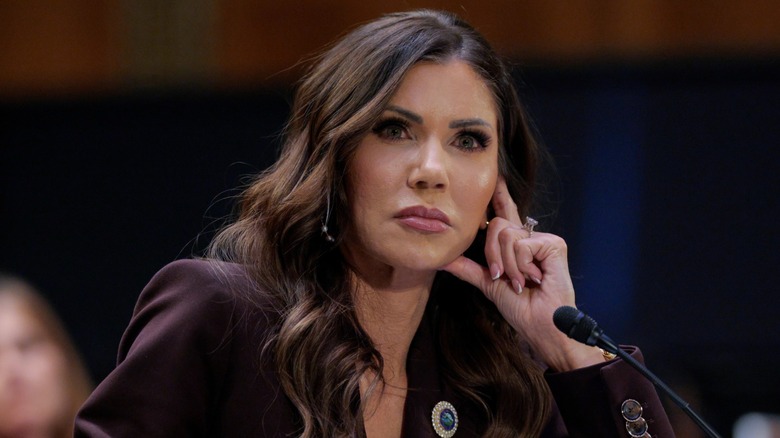
At the centre of the dispute are actions taken last year by then Homeland Security Secretary Kristi Noem, who revoked Temporary Protected Status designations for more than 350,000 Haitians and around 6,100 Syrians, citing what the administration described as US national interest.
TPS is a legal protection granted to migrants from countries experiencing armed conflict, natural disasters or other extreme conditions, shielding them from deportation for periods of up to 18 months at a time, subject to periodic review and renewal.
Federal judges in New York and Washington had both blocked the TPS terminations, with Washington based US District Judge Ana Reyes finding it substantially likely that Noem’s decision in the Haitian case was motivated at least in part by racial animus, in violation of the Fifth Amendment’s equal protection guarantee.
The administration appealed, and the Supreme Court agreed last month to take both cases on an accelerated basis, bypassing the usual appellate court review stage in a procedure known as certiorari before judgment.
US Solicitor General D. John Sauer argued on behalf of the administration that federal law bars courts from reviewing or blocking executive branch TPS decisions at all, a position that if accepted would insulate the administration’s immigration determinations from judicial challenge going forward.
The six justice conservative majority appeared broadly sympathetic to the government’s argument, with several justices suggesting the courts may lack the authority to second guess executive TPS decisions.
Justice Samuel Alito challenged the migrants’ attorneys, warning their proposed legal framework could create a broad opening for courts to review executive branch decisions that Congress had intended to keep unreviewable.
The liberal bloc pressed Sauer on the racial animus issue, with Justice Ketanji Brown Jackson asking how the court could ignore Trump’s past statements about Haitian migrants, including remarks during the 2024 election campaign.
Sauer argued those comments were made in different contexts and were remote in time from the policy decision itself.
The outcome of the case could affect 1.3 million migrants from all 17 countries currently holding TPS designations, as the Trump administration has sought to end the programme for 13 of those countries since January 2025.
A ruling from the court is expected as early as this summer.
