
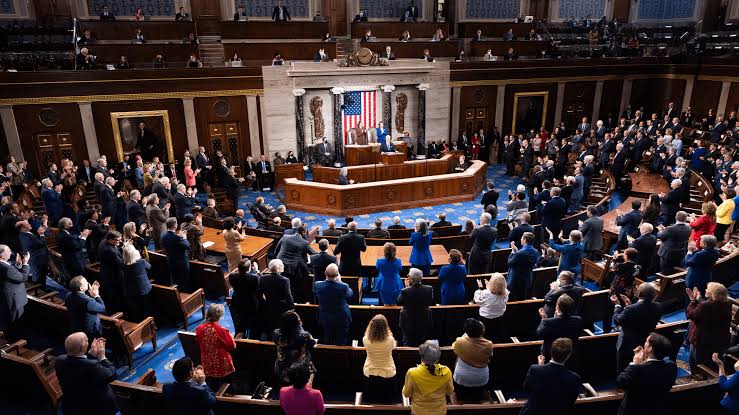
A bitter dispute over House Democratic leadership loyalty has erupted before the new Congress has even been sworn in, exposing fractures within a party still navigating its post-election identity.
At the center of the standoff is Rep.-elect Don Leonard of Ohio, who achieved one of the more striking electoral upsets of 2024 by winning a district that President Donald Trump had carried.
Leonard is now alleging that senior House Democrats warned him of serious consequences if he withheld his support for Rep. Hakeem Jeffries in the upcoming House speaker vote.
The threat, as Leonard described it to CNN, was pointed and personal: Democratic leaders told him they would make his life “a living hell” if he did not fall in line behind Jeffries.
The warning puts a sharp spotlight on the internal mechanics of Democratic leadership, where loyalty to caucus nominees is typically treated as non-negotiable.
Leonard sat down with CNN’s Manu Raju for a one-on-one interview in which he laid out his position, including what he described as firm red lines he intends to hold.
Leonard also disclosed that he had a direct conversation with Jeffries himself, though he did not characterize that exchange as resolving the underlying tension.
The situation is particularly charged given Leonard’s political profile: winning a Trump-leaning district requires a calibrated independence that can clash with strict party-line expectations in Washington.
For Democratic leaders trying to project unity ahead of a challenging legislative environment, a public rebellion from a freshman before the session begins is a complicating development.
The episode raises broader questions about how the House Democratic caucus manages members whose electoral survival may depend on maintaining distance from the national party’s positions.
Leonard’s willingness to go public with allegations against his own leadership signals that at least some incoming members are unwilling to absorb internal pressure quietly, regardless of the political cost.
Whether his stance influences other similarly situated Democrats or remains an isolated flash point will likely become clearer once the new Congress convenes and the speaker vote is formally held.
