
Few economies anywhere in the world are expanding at the pace Guyana is, with the International Monetary Fund projecting GDP growth of 22.3% for the country in 2026.
The driver behind that extraordinary figure is an oil sector that has transformed this small South American nation into one of the most closely watched energy stories on the planet.
Guyana is closing in on a production milestone of one million barrels per day, a threshold that would have seemed unimaginable for the country just a decade ago.
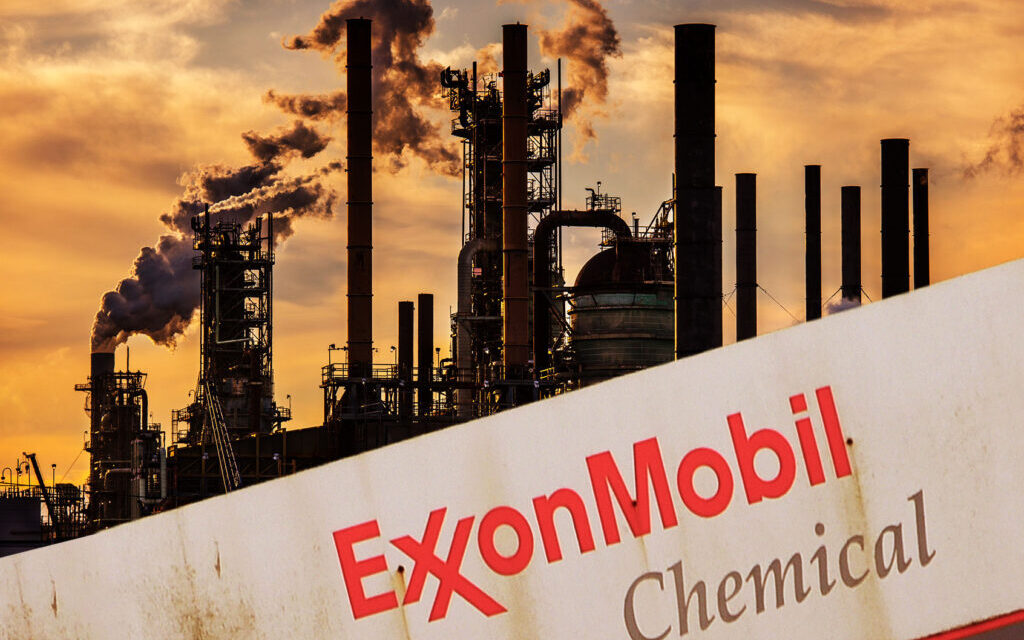
Adding further momentum to that trajectory is ExxonMobil’s (NYSE: XOM) Uaru project, which is expected to bring an additional 250,000 barrels per day of production capacity online.
That incremental supply is significant not just for Guyana’s economy, but for energy markets that are increasingly anxious about concentration risk in global oil flows.
Tensions across the Middle East have renewed concerns about the security of shipments passing through the Strait of Hormuz, one of the world’s most critical chokepoints for crude oil transit.
A disruption to that corridor would send shockwaves through energy markets, tightening supply precisely when major economies are already navigating inflationary pressures and uneven growth.
Guyana’s expanding export capacity offers a geographically distinct alternative, with Atlantic Basin crude routes that bypass the vulnerabilities associated with Gulf shipping lanes entirely.
The diversification argument has gained traction among energy analysts and policymakers who view Western Hemisphere production growth as a structural buffer against Middle Eastern supply shocks.
For Guyana itself, the stakes extend well beyond barrels and benchmarks, with oil revenues reshaping public finances, infrastructure investment, and the country’s longer-term development outlook.
The IMF’s 22.3% growth forecast places Guyana in a category virtually alone among its peers, reflecting how rapidly petroleum receipts are flowing into the broader economy.
Exxon’s continued capital commitment through projects like Uaru signals that the investment cycle driving this boom still has considerable runway ahead, with capacity expansions compounding on one another.
Whether Guyana’s institutions can manage that pace of wealth accumulation responsibly remains an open question, but the near-term production picture points firmly upward.
For global energy markets contending with supply uncertainty, the emergence of a credible, scalable Atlantic producer may prove to be one of the more consequential developments of the decade.
