
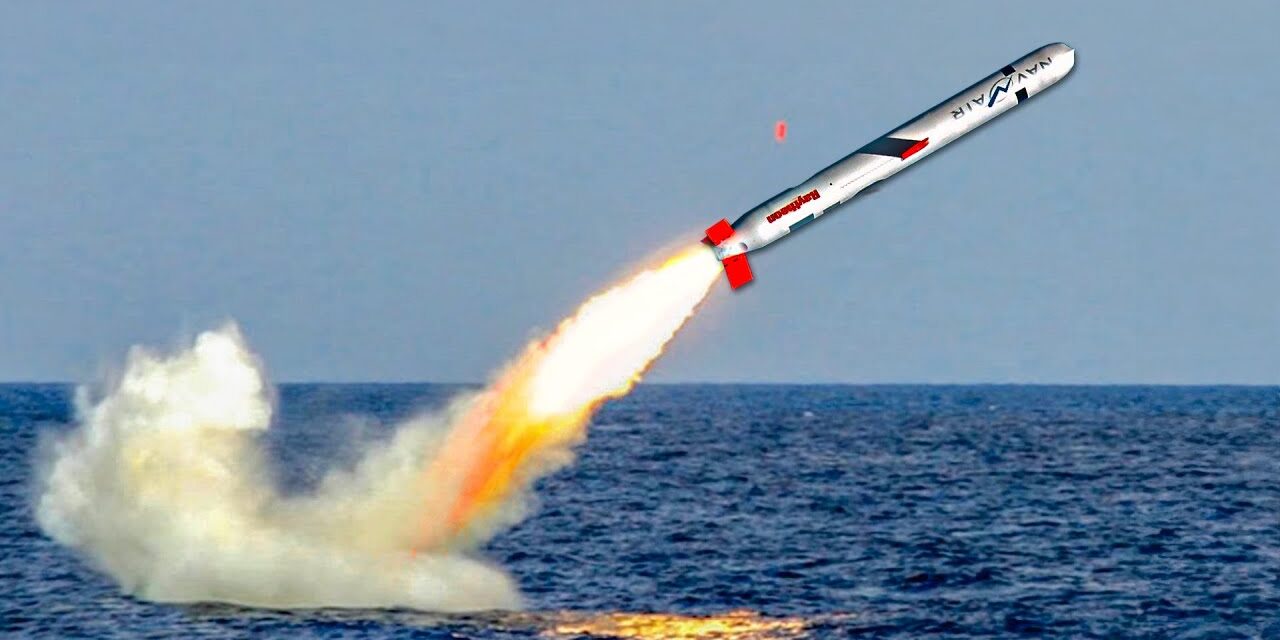
RTX Corp (NYSE: RTX) has surged back into investor focus after its Raytheon division secured a massive US$22.9 billion, seven-year contract with the U.S. military to scale Tomahawk missile production.
The contract mandates a dramatic ramp in annual output, lifting production from just 60 units per year to 1,000, representing a significant expansion of Raytheon’s manufacturing capacity.
RTX shares currently trade at US$212.08, buoyed by a strong 90-day price return of 18.05% and a year-to-date gain of 13.26%.
The company’s one-year total shareholder return stands at 33.96%, a figure that reflects sustained momentum tied closely to recent contract wins and capacity expansions across its defense divisions.
Despite this run-up in price, analysis suggests RTX may still carry meaningful upside, with the most widely followed valuation narrative placing fair value at US$232.27, implying the stock is approximately 8.7% undervalued at current prices.
That fair value estimate is built on detailed revenue and margin assumptions, incorporating a discount rate of 8.23% to stress-test the investment case against a higher required return environment.
Central to the bull case is the company’s expanding backlog, which now stands at US$236 billion, representing a 15% increase year-over-year and supported by a book-to-bill ratio of 1.86 quarters.
RTX has also secured major new international contracts across the European Union, MENA region, and Asia-Pacific, positioning the company to capitalize on sustained growth in global defense spending driven by heightened geopolitical tensions.
The visibility these contracts provide into future revenue is considered a core pillar of the valuation argument, with analyst expectations stepping up progressively over time and implying meaningful pricing power for RTX’s platforms.
However, the investment case is not without its complications, as RTX continues to face risks tied to potential cost overruns at its Pratt & Whitney engine unit, which has already drawn significant attention in recent years.
Any unexpected shift in U.S. or allied defense budgets that slows the pace of new contract awards could also weigh on sentiment and compress the multiple investors are willing to assign to the stock.
The central tension for investors remains straightforward: whether to pay today’s elevated price and capture remaining upside, or wait for a potential pullback that may never materialize given the strength of the underlying order book.
With a backlog of US$236 billion and a production ramp of historic proportions underway at Raytheon, RTX enters the back half of 2026 as one of the more structurally supported names in the defense sector.
