
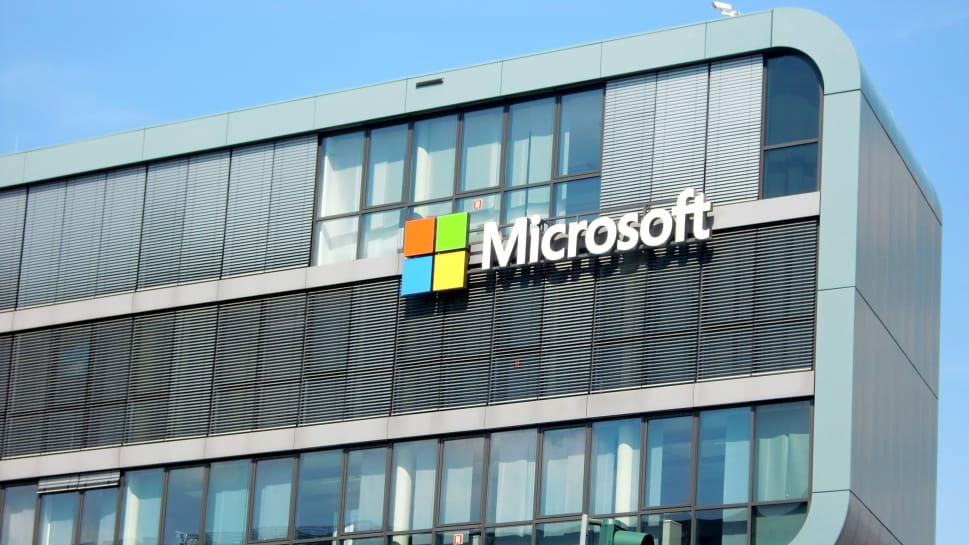
Microsoft (NASDAQ: MSFT) has achieved what many of its closest rivals have so far failed to deliver: a clear and convincing conversion of massive AI spending into substantial AI revenue.
Investors have long questioned whether tech giants like Microsoft, Meta Platforms, and Alphabet were pouring too much capital into artificial intelligence infrastructure with too little to show for it.
That skepticism took a significant hit when Microsoft reported $100 billion in Azure cloud revenue for the full 2026 fiscal year, a remarkable 41% jump compared to 2025.
Microsoft sells access to its Azure cloud and AI services to businesses and remains the second-largest cloud provider in the world, trailing only Amazon.
To stay competitive in the AI era, all major cloud providers are investing hundreds of billions of dollars in AI infrastructure, with the industry projected to spend an estimated $750 billion this year on AI capital expenditure.
Microsoft itself spent $175 billion in capital expenditures for fiscal 2026, following an accounting adjustment from an initial figure of $190 billion.
Quarterly results were equally striking, with revenue growing 18% year over year to $90 billion and net income soaring 31% versus the prior-year period.
CEO Satya Nadella highlighted that Microsoft 365 Copilot has now surpassed 30 million paid seats, a sign that the company’s deep entrenchment with enterprise customers continues to generate returns.
Nadella also noted that AI demand continues to outpace supply, even as Microsoft pushes forward with ongoing data center and infrastructure investments.
Adding to investor confidence, Microsoft generated a positive free cash flow of $19.6 billion in its fiscal fourth quarter of 2026, demonstrating financial resilience alongside its aggressive spending.
Microsoft’s trailing price-to-earnings ratio currently sits at 28, meaningfully below the technology sector average of 35, suggesting the stock remains attractively valued despite its recent rally.
The forward price-to-earnings ratio stands at 25, and analysts project average earnings growth of 15% to 16% annually over the next three to five years.
Those estimates are difficult to dismiss after a quarter in which net income expanded by 31%, reinforcing the view that Microsoft’s AI bet is beginning to pay off in a tangible and measurable way.
As tech companies continue spending aggressively to win the AI race, Microsoft has now laid out a credible playbook for generating real returns from artificial intelligence investment.
