
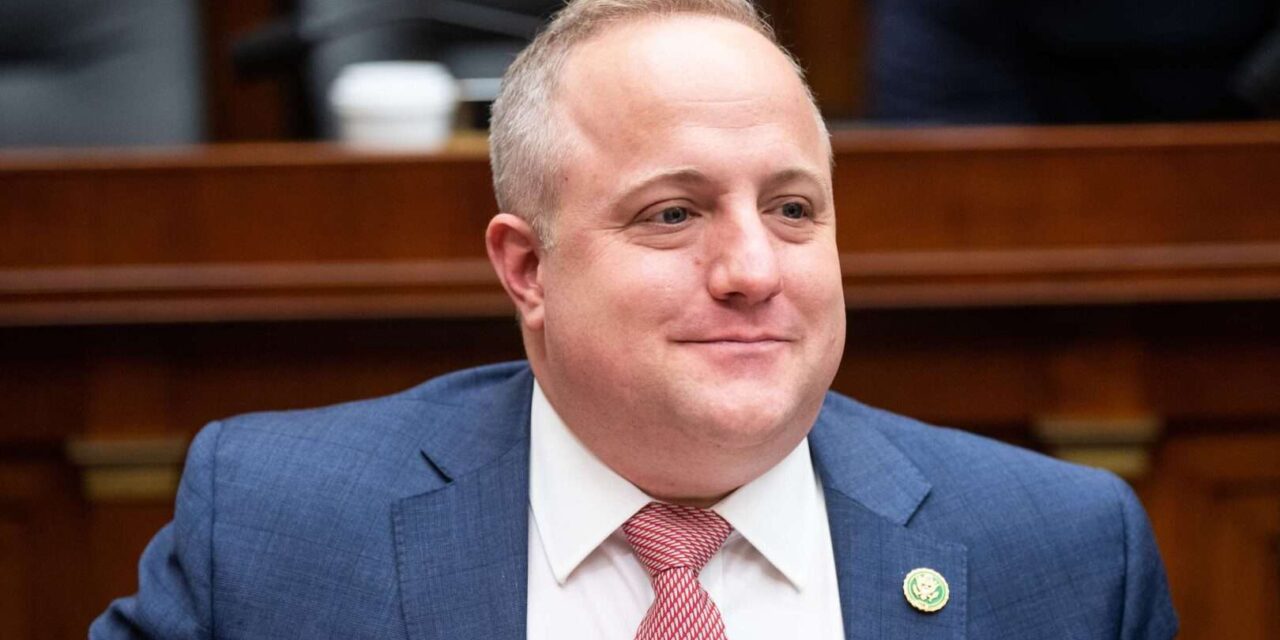
Republican congressman Russell Fry has thrown his support behind Darline Graham in South Carolina’s competitive Senate runoff, signaling a notable alignment within the state’s GOP circles, as the New York Times reported.
The endorsement comes as political pressure tied to former President Donald Trump’s orbit intensifies around the South Carolina race, drawing national attention to what might otherwise be a regional contest.
Fry, who represents South Carolina in the U.S. House, has positioned himself as a key backer of Graham heading into the decisive runoff election that will determine the next state senator.
South Carolina has long been a battleground for competing factions within the Republican Party, and this runoff is shaping up as another test of which wing holds greater sway over primary voters.
Trump’s influence over Republican primaries across the country remains a powerful force, with candidates either seeking his blessing or navigating pressure campaigns mounted by his political allies.
The runoff format, which is common in Southern states when no candidate secures an outright majority in a primary, often rewards campaigns with the most motivated and organized ground operations.
Graham’s campaign will need to consolidate Republican support quickly, as runoff elections typically see lower voter turnout and are heavily influenced by endorsements from established political figures.
Fry’s backing could carry meaningful weight among conservative voters in the district, given his profile as a sitting congressman with ties to both state and national Republican networks.
The involvement of Trump-aligned pressure in a state Senate race underscores how deeply national political dynamics have filtered down into local and regional contests across the South.
South Carolina’s political landscape continues to reflect broader tensions within the Republican Party between its establishment wing and the populist, Trump-driven movement that has reshaped the party over the past decade.
The outcome of this runoff will be closely watched as an indicator of where the balance of power within South Carolina’s GOP currently stands heading into the broader 2026 election cycle.
