
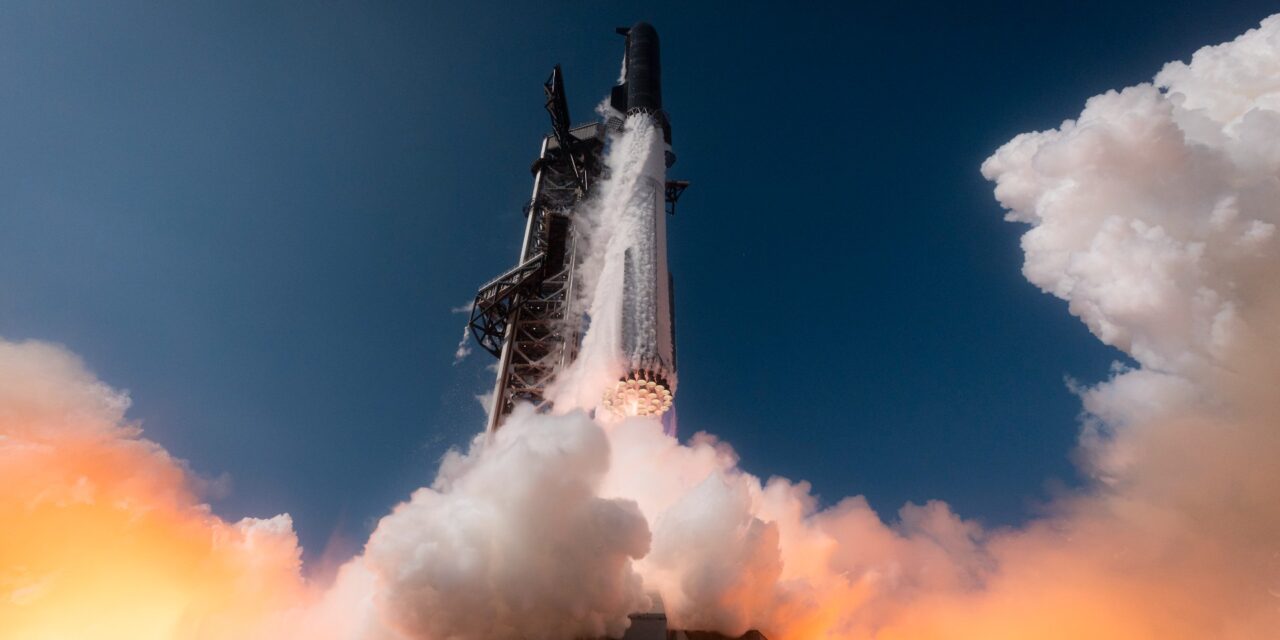
SpaceX (NASDAQ: SPCX) and Oklo (NYSE: OKLO) have emerged as two of the most talked-about disruptive stocks among investors seeking high-upside opportunities.
SpaceX holds the title of the world’s largest space company, operating across three distinct disruptive segments: space launches, satellite internet, and artificial intelligence.
Oklo, by contrast, is an early-stage energy company that designs fast-fission power plants capable of using nuclear waste as fuel.
Both stocks carry significant volatility, but the investment case for each differs substantially depending on an investor’s appetite for risk.
SpaceX delivered its first earnings report as a public company on August 4, covering the second quarter of 2026, and the results were described as a mixed bag.
On the positive side, revenue surged 92% year over year to $7.8 billion, with the connectivity segment, driven by Starlink internet service, accounting for more than half of that total.
Starlink closed the quarter with 12 million subscribers, doubling the six million it reported at the same point a year earlier, a sign of accelerating consumer adoption.
Despite the revenue momentum, SpaceX reported a net loss of $541 million for the quarter, an improvement from the $1 billion loss recorded in Q2 2025 but still a significant deficit.
Capital expenditure reached $18.4 billion, and free cash flow remained deep in the red, with SpaceX posting approximately negative $25 billion in free cash flow over the first half of 2026.
The heavy spending is largely attributed to the buildout of SpaceX’s AI segment, which demands substantial ongoing investment before it can generate meaningful returns.
Oklo is at a far earlier stage of its business journey, having only recently recorded its first quarter with revenue to report, making direct financial comparison with SpaceX difficult.
The core appeal of Oklo lies in the sheer scale of the opportunity ahead of it, with its small modular nuclear reactor technology targeting a power generation market that could prove enormous if the technology achieves commercial viability.
Analysts who favor Oklo point to its size and growth runway as reasons it offers more potential upside than SpaceX, even if that upside comes with considerably more risk.
SpaceX, by contrast, is the more proven business of the two, with real revenue, a growing subscriber base, and an established position across multiple industries that gives it a more defensible foundation.
For investors drawn to high-risk, high-reward opportunities, a small position in Oklo may be worth considering, while those seeking disruptive growth with a lower risk profile may find SpaceX the more compelling choice.
