
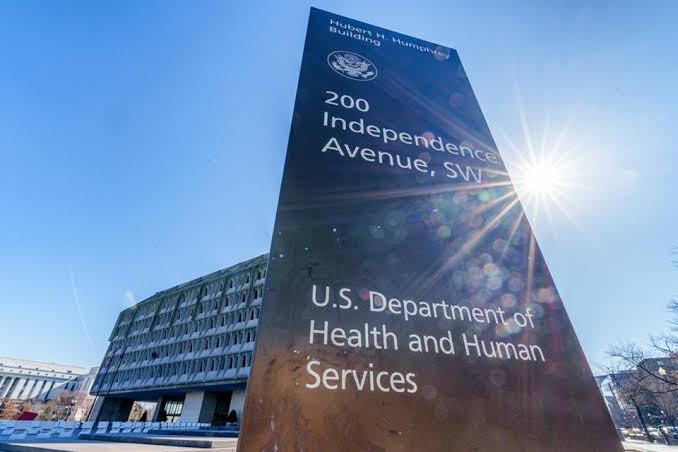
A new report commissioned by the Department of Health and Human Services details the accounts of three detransitioners who say medical providers pressured them into gender transition treatments at young ages.
The report, titled “Wolves in White Coats: How Doctors and Hospitals Pushed and Profited from the Fraud of ‘Gender Medicine,'” was released Thursday and features the stories of Clementine Breen, Soren Aldaco, and Luke Healy.
The HHS report alleges that financial incentives encouraged hospitals and doctors to provide gender transition treatments and identifies insurance billing practices it says may be improper or warrant further investigation.
Breen was 12 years old and struggling with a changing adolescent body and unresolved trauma from earlier sexual abuse when the then-minor first learned about gender transition online.
Doctors at Children’s Hospital Los Angeles allegedly told Breen’s parents the preteen was “100% trans” and at high risk of suicide without medical intervention, according to the report.
Breen began puberty blockers at age 12, testosterone at 13, and underwent a double mastectomy at just 14 years old, according to the HHS findings.
Breen stopped taking testosterone at 18 after therapy led to the conclusion that gender identity distress was connected to earlier trauma, with ongoing physical consequences including pain and irregular menstrual cycles.
When Breen later sought breast reconstruction, doctors questioned the teen’s mental stability, yet the report notes she “did not face this same scrutiny when seeking a mastectomy at 14.”
“How can a child consent to losing fertility or the ability to breastfeed if no one checks whether she even understand what that means?” Breen said in the report.
Aldaco’s account describes gender-related distress emerging during adolescence, with online communities framing gender transition as the “appropriate response” to those feelings, per the report.
Aldaco was prescribed testosterone and received a double mastectomy, after which severe surgical complications caused pain the young person said “I don’t think I’ll ever forget.”
The report states that “despite these negative developments, providers did not initiate a structured reassessment of her treatment plan,” highlighting what it describes as a failure of post-treatment support.
“While her pathway into sex rejection medicalization involved coordinated referrals, approvals, and interventions across multiple providers, the pathway out involved no comparable system of support,” the report reads.
Healy was just 10 years old when he first encountered an online community where adults discussed transgender identities, and within three years came to identify as a girl.
Healy’s parents refused to consent to puberty blockers or hormones while he was still a minor, a decision the report says Healy “now describes as one of the bravest things they ever did.”
At 18, Healy began pursuing estrogen treatments and surgical consultations before gradually realizing the interventions were not easing his psychological distress.
“Each intervention led to pressure for further intervention,” the report reads, with Healy concluding that “the model was built around escalation rather than resolution.”
One doctor quoted Healy approximately $200,000 for facial feminization surgery, and another, he says, “spoke to him like a car salesman while encouraging tracheal shave,” leading him to conclude he was being sold procedures rather than psychological help.
Healy ultimately shifted focus toward addressing substance abuse problems that developed during the process, with the report noting he “recognized the same obsessive, destructive pattern in gender ideology that he had seen in addiction.”
The release of the report follows the Trump administration’s decision to end federal funding for youth gender transition treatments, with CMS Chief Dr. Mehmet Oz warning of serious long-term health risks associated with such procedures.
