
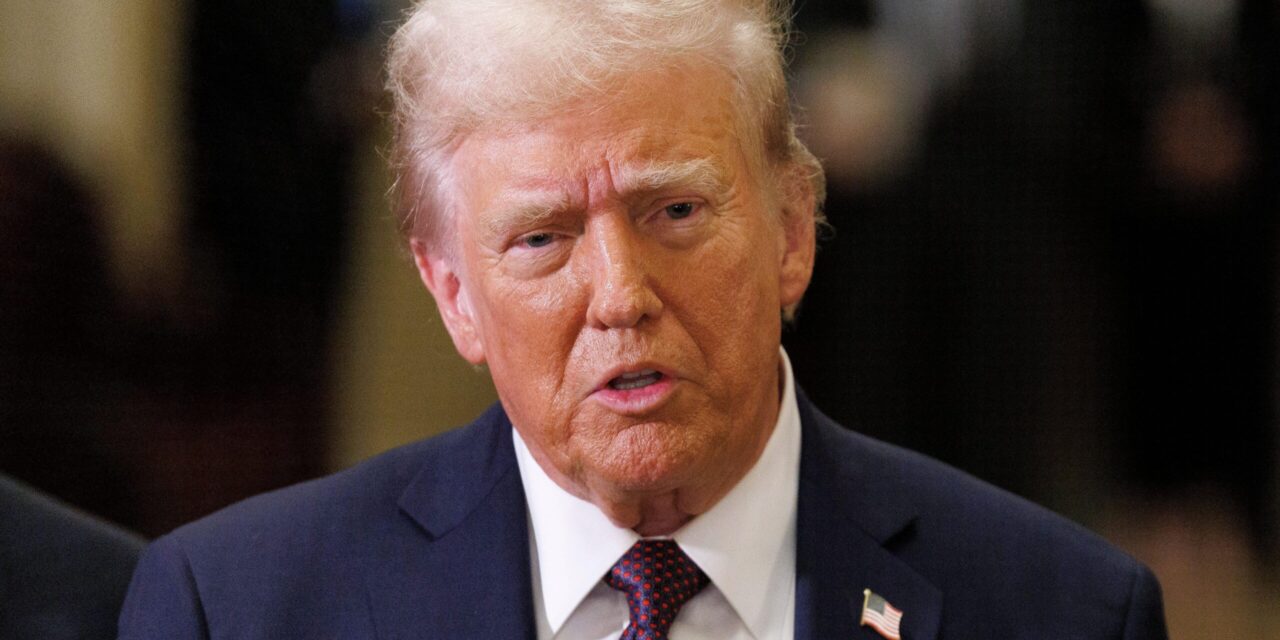
The 2026 midterm cycle is taking shape as progressive candidates make notable inroads in Democratic primaries across the country, reshaping the party’s internal dynamics heading into November.
Primary elections have historically served as a testing ground for the ideological direction of each major party, and this cycle is proving no different as left-leaning candidates challenge more moderate incumbents and establishment picks.
The Democratic Party is navigating a period of significant internal tension, with progressive activists pushing the party further left while centrists argue that a broader coalition is needed to win competitive general election seats.
Trump’s influence over the Republican Party remains a defining factor in the midterm landscape, with candidates across the country continuing to align themselves with the former and current president’s political brand and policy agenda.
The question of how much Trump’s endorsement helps or hurts Republican candidates in swing districts is one of the central strategic debates shaping the GOP’s approach to November’s elections.
Historically, midterm elections tend to favor the party out of power, but the specific dynamics of individual races, candidate quality, and local issues can significantly alter those broader national trends.
Progressive candidates have pointed to grassroots energy and small-dollar fundraising as evidence that their wing of the Democratic Party represents the future of electoral competition, particularly in urban and suburban districts.
At the same time, moderate Democrats and party strategists have argued that overreach on policy positions risks alienating the independent voters who often decide competitive general elections in purple states and districts.
Republican leadership is watching primary results closely, working to identify where Trump’s involvement boosts turnout and enthusiasm and where it may complicate efforts to appeal beyond the former president’s core base.
The results of this primary season will carry significant implications for both parties as they finalize candidate lineups, sharpen messaging strategies, and allocate resources ahead of what is shaping up to be a fiercely contested midterm election.
