
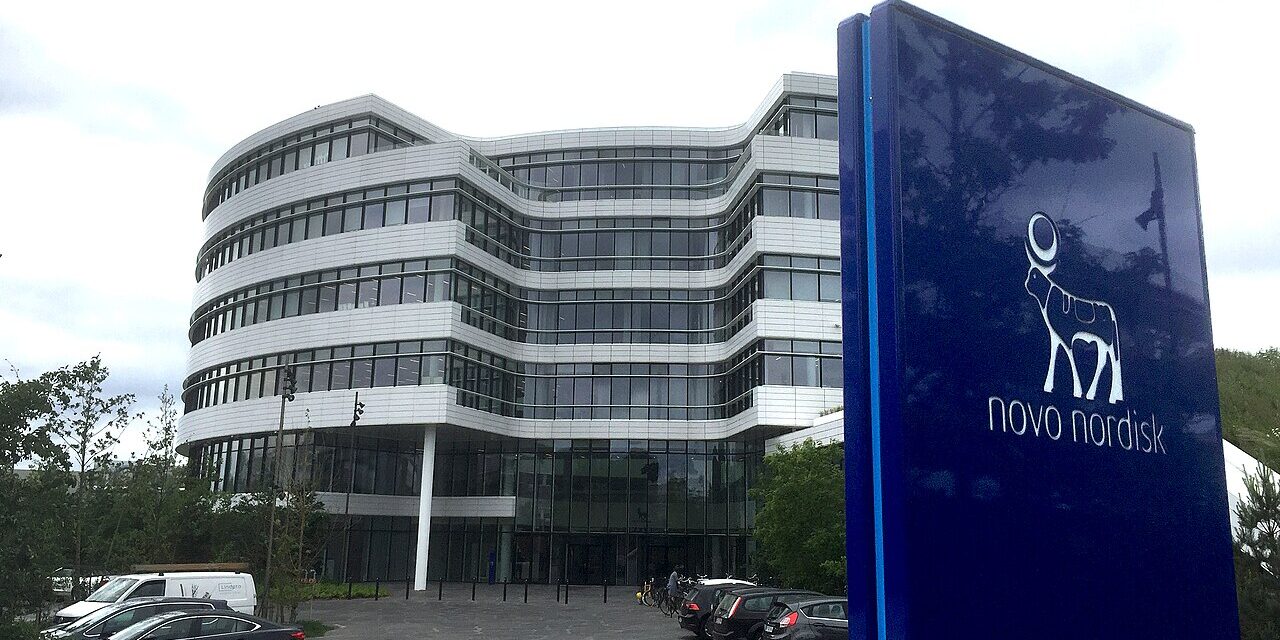
Novo Nordisk (CPSE:NOVO B) has won a Dutch court injunction against Ceban Ziekenhuisfarmacie, blocking production and distribution of an unapproved compounded semaglutide nasal spray in the Netherlands.
The ruling determined that the compounded nasal spray infringed Novo Nordisk’s semaglutide patent, reinforcing the company’s intellectual property position across its flagship drug portfolio.
The decision has direct implications for Novo Nordisk’s core products, including Wegovy, Ozempic, and Rybelsus, all of which rely on semaglutide as the active compound.
The injunction limits the reach of non-approved competitor versions of semaglutide in the Dutch market, a meaningful development as compounded GLP-1 alternatives have proliferated globally.
Novo Nordisk sits at the center of the global market for GLP-1 based obesity and diabetes treatments, a sector that has drawn intense attention from both healthcare systems and investors in recent years.
The stock closed at DKK305.1, with declines recorded over the past seven days, thirty days, year-to-date, and the past full year, making this legal outcome particularly relevant for those tracking the durability of its core portfolio.
For investors, the Dutch ruling demonstrates that Novo Nordisk can actively use its patent portfolio to curtail unapproved compounded versions of semaglutide, which directly supports the long-term GLP-1 cash flow narrative.
The legal win comes alongside other 2026 developments, including an interim dividend of DKK 3.75 per share and continued share buybacks, signaling that management is returning capital while simultaneously defending its core products.
Market attention often gravitates toward short-term price movements or pipeline updates, but legal outcomes like this one carry material weight for the long-term earnings durability of obesity and diabetes drug revenues.
To assess the fuller investment case, analysts and investors will be watching whether Novo Nordisk can extend similar patent enforcement actions to other jurisdictions where compounded GLP-1 products remain a concern.
Key signposts to monitor include future court decisions on semaglutide patents in other markets, any disclosed settlement terms with compounding pharmacies, and quarterly commentary on branded volume impacts from reduced unlawful compounding activity.
Patent enforcement around high-value obesity and diabetes drugs is increasingly shaping how investors evaluate the defensibility of healthcare cash flows across the broader pharmaceutical sector.
