
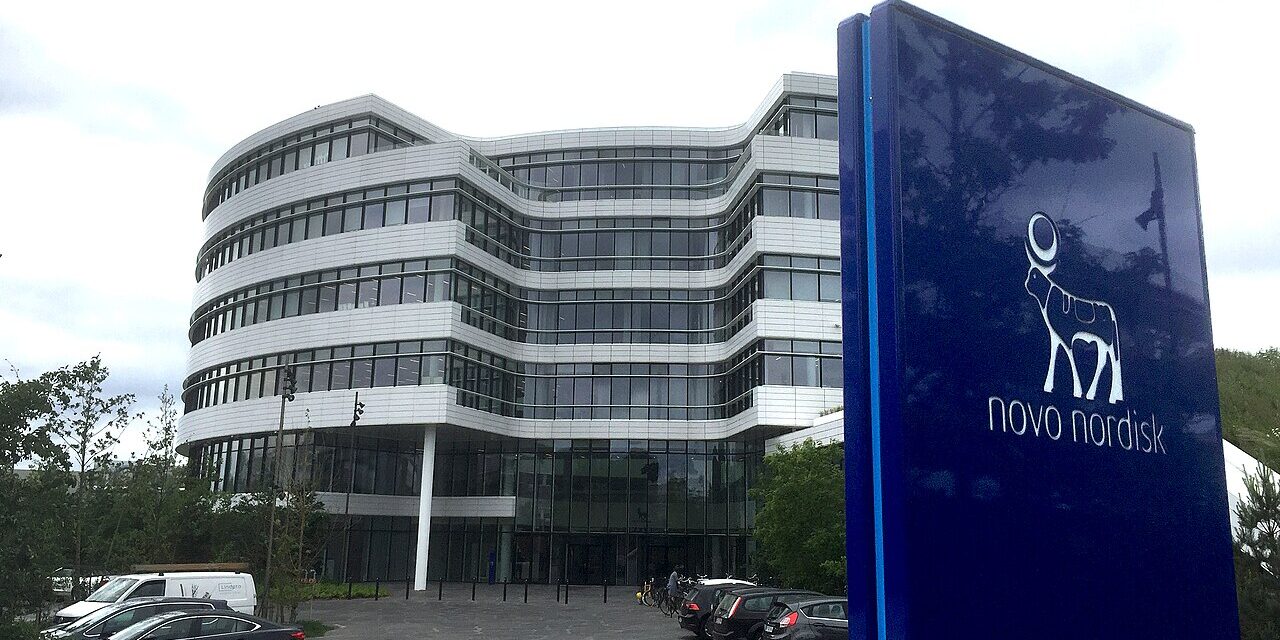
Novo Nordisk has filed a federal lawsuit against Eli Lilly (NYSE: LLY), alleging that Lilly’s nationwide advertising campaigns for Zepbound and Mounjaro relied on outdated clinical data and unfair dose comparisons.
The lawsuit claims those advertising tactics were used to assert superiority over Novo’s own flagship GLP-1 therapies, Wegovy and Ozempic, in the fiercely competitive obesity and diabetes drug market.
The case raises significant legal and regulatory questions around drug marketing practices in a high-stakes sector where only a handful of companies currently compete at meaningful scale.
Beyond the courtroom, the dispute highlights how marketing claims and comparative trial design can materially influence the competitive positioning of Lilly’s core GLP-1 franchise among investors and payers alike.
To own Eli Lilly today, investors must believe its GLP-1 obesity and diabetes platform can support years of strong cash generation while its pipeline gradually broadens beyond incretin-based therapies.
The Novo Nordisk lawsuit puts a piece of that story under a legal microscope, though the most immediate swing factor for the business remains execution and pricing power within the GLP-1 category.
Unless the case produces restrictive court rulings or meaningful reputational damage, the direct near-term business impact on Lilly appears limited based on current assessments.
Lilly’s role as a founding member of the Billion Cell Atlas, an alliance with Illumina, gives the company access to one of the largest functional genomics datasets available to any pharmaceutical firm.
That partnership could sharpen Lilly’s target selection and reduce R&D risk across obesity, cardiometabolic disease, and neuroscience, areas central to its long-term growth narrative.
For investors already monitoring legal and pricing risks around today’s GLP-1 leaders, that kind of platform investment represents an important part of the longer-term catalyst story for Lilly shares.
Still, concentration in a small number of incretin products leaves investors particularly exposed if payer pushback or legal outcomes begin to reshape how these therapies are promoted and reimbursed.
Analyst projections already reflect a wide range of outcomes, with the most bullish forecasts calling for Lilly to reach approximately $124.5 billion in revenue and $50.0 billion in earnings by 2029.
A more baseline view points to solid but moderating growth, with a projected $113.8 billion in revenue and $46.1 billion in earnings by 2029, alongside a derived fair value estimate of $1,243 per share.
The Novo Nordisk lawsuit serves as a pointed reminder that individual investor views on Lilly’s trajectory could sit anywhere along that broad spectrum and may shift materially as the legal process unfolds.
