
Asian equity markets bounced back sharply on Tuesday, driven by a recovery in technology and semiconductor shares after a bruising few sessions tied to AI valuation fears.
Tokyo’s Nikkei 225 closed up 3.26 percent, Seoul gained 3.6 percent, and Shanghai’s Composite Index rose nearly two percent, reflecting renewed investor appetite for tech-heavy markets.
European markets edged cautiously higher in early trading, with Frankfurt up 0.2 percent and Paris gaining 0.1 percent, while London slipped 0.1 percent.
The rebound followed gains on the Nasdaq on Monday, which helped restore some confidence after chipmakers led a broad selloff fueled by concerns over stretched AI valuations.
Stephen Innes of SPI Asset Management cautioned, however, that the tech rebound did not appear to be driven by “a decisive improvement in the AI fundamentals.”
Innes warned that “Big Tech earnings now need to prove that AI revenues, margins and cash flow can justify the scale” of the massive investments being made in AI infrastructure.
Earnings season for the sector is now underway, with results due from Tesla (NASDAQ: TSLA) and Alphabet (NASDAQ: GOOG), followed by Microsoft, Meta, Apple, and Amazon in the days ahead.
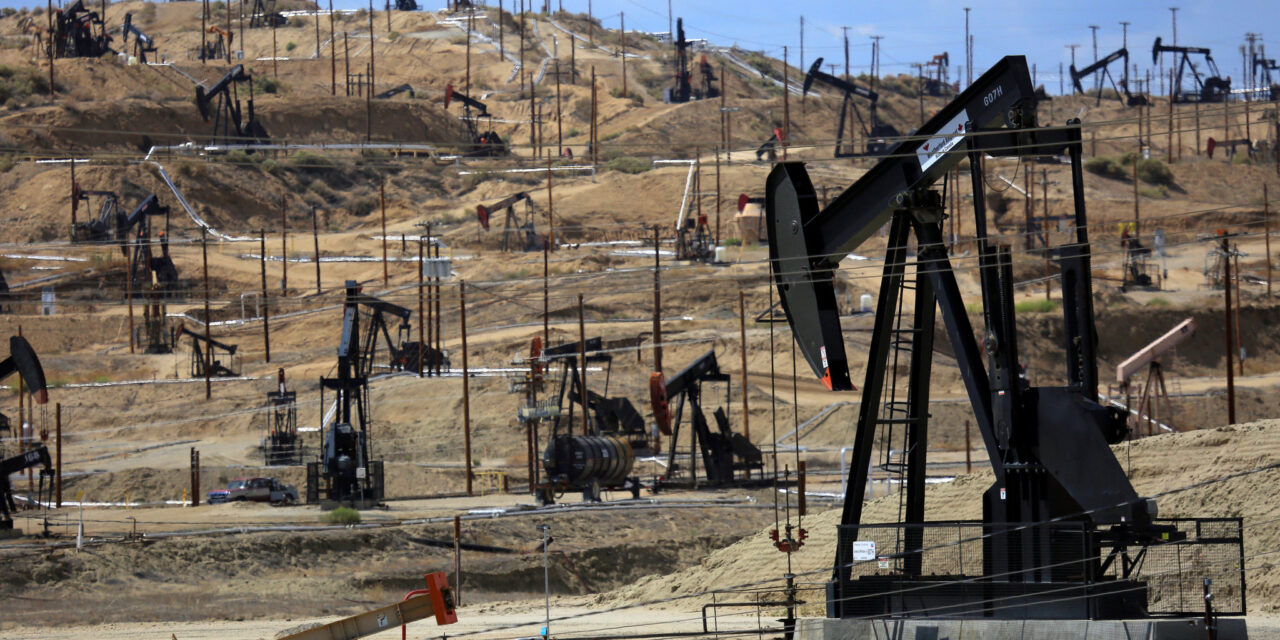
Oil prices had climbed Monday after renewed Middle East fighting, with President Donald Trump warning Iran it would pay “many times over” following the deaths of three more American soldiers.
The United States launched a new round of strikes late Monday, saying they were “designed to further degrade Iranian military capabilities used to attack commercial shipping” in the Strait of Hormuz.
Iran’s military subsequently said it had targeted US assets in Kuwait and Bahrain, striking air defence systems, radar installations, and administrative buildings in response.
Iran’s Houthi allies in Yemen also declared they would blockade Saudi ports, potentially threatening Riyadh’s ability to route oil exports around the Strait of Hormuz.
Michael Wan at MUFG played down the threat, saying it was “unlikely to be sustained given the lack of capability right now by the Houthis” to enforce or distinguish Saudi-linked vessels.
Wan added that “from a market perspective we think it’s still a reasonable base case that there is resolution in the conflict, even if things may get worse before it gets better.”
West Texas Intermediate crude fell 0.6 percent to $82.71 per barrel, while Brent North Sea crude dropped 0.8 percent to $88.47, giving back some of Monday’s geopolitically driven gains.
On trade, President Trump signed executive orders imposing new 50-percent tariffs on many Canadian goods, citing what he called “discriminatory treatment” against American alcohol, automobile, and dairy products.
British bond markets remained in focus after new Prime Minister Andy Burnham pledged to remove tax on household electricity bills, raising concerns over the UK’s already-stretched public finances.
UK government borrowing data released Tuesday offered some relief, however, showing that June borrowing fell more than analysts had expected.
In Asia, US Secretary of State Marco Rubio condemned “dangerous and aggressive actions” by China following a clash with the Philippine navy in the South China Sea, as he arrived for an ASEAN foreign ministers’ meeting.
