
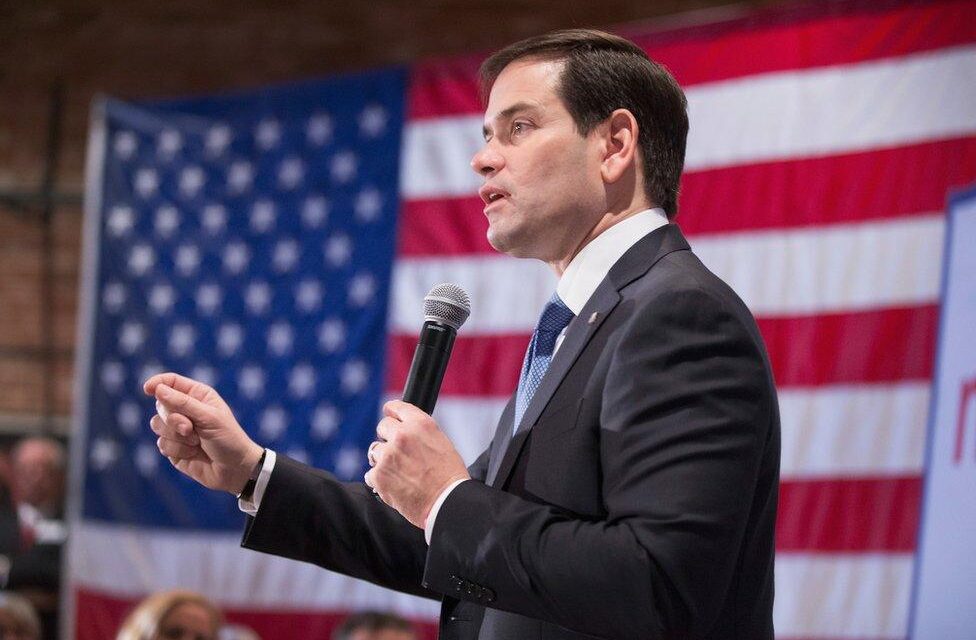
Secretary of State Marco Rubio has announced a new framework deal between Israel and Lebanon, describing the agreement as a significant first step toward lasting peace in the region.
The announcement marks a notable diplomatic development in an area that has experienced prolonged instability, with both nations historically locked in deep-rooted conflict and tension.
Rubio framed the deal as an opening move rather than a final resolution, signaling that further negotiations and steps would be required to achieve comprehensive and durable peace.
The framework is expected to address key points of contention between the two neighboring countries, including border demarcation issues that have long been a source of military and political friction.
Lebanon has faced compounding crises in recent years, including economic collapse, political deadlock, and the continued presence of Hezbollah as a powerful armed faction operating within its borders.
Israel, meanwhile, has maintained a posture of military readiness along its northern border, conducting operations it has described as necessary to neutralize threats originating from Lebanese territory.
A formal framework between the two governments would represent a rare moment of direct diplomatic engagement, one that international observers have long considered difficult to achieve given the complex internal dynamics on both sides.
The United States has historically played a mediating role in Middle Eastern diplomacy, and Rubio’s involvement signals continued American engagement in brokering stability across the region.
Whether the framework will translate into a binding or enforceable agreement remains an open question, as implementation will depend heavily on the political will of both governments and broader regional actors.
The announcement has drawn attention from international governments and diplomatic circles, who will be watching closely to determine whether this framework can serve as a foundation for a broader and more permanent peace process.
