
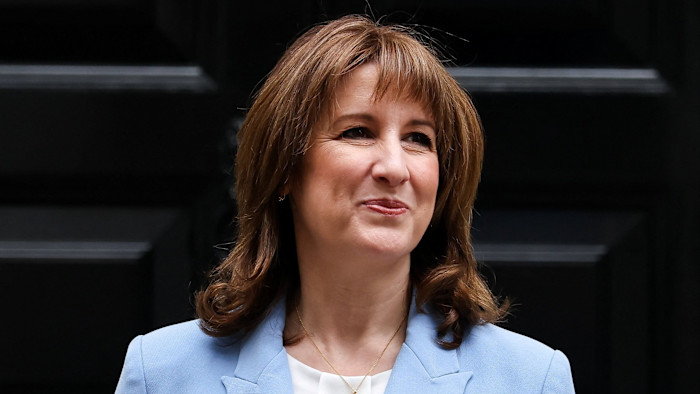
Chancellor Rachel Reeves has announced the most sweeping set of financial services reforms in over a decade, unveiling plans to partially dismantle the ring-fencing regime that has separated Britain’s five largest banks’ retail and investment banking operations since the post-2008 financial crisis, in a move the Treasury says could release up to £80 billion of additional lending for UK businesses.
The reforms, included in a new Enhancing Financial Services Bill, will grant banks a so-called growth allowance, permitting them to use a limited proportion of their balance sheets more flexibly than the ring-fencing rules previously allowed, in a bid to unlock capital that the government argues has been locked in compliance structures rather than deployed into the productive economy.
The five banks directly affected are Barclays, HSBC, Lloyds, NatWest, and Santander UK, each of which has maintained legally separate retail banking arms since the ring-fencing legislation was passed under the coalition government following the global financial crisis triggered by risky lending in 2008.
Reeves framed the announcement as a growth measure, arguing that regulation had gone too far in seeking to eliminate risk and had acted as a boot on the neck of businesses that need capital to invest, expand, and hire.
Critics immediately challenged the framing, arguing that the timing of the reforms is among the most dangerous possible, coming as global financial stability is already under pressure from the Iran war’s disruption to energy markets, elevated inflation, and a UK gilt market that has been trading above 5% on ten-year yields.
The tax policy research group Tax Research UK described the decision as reckless, arguing that the ring-fencing rules were put in place specifically to prevent retail depositors from bearing the losses of investment banking activity and that unwinding them in a period of geopolitical and macroeconomic stress compounds the systemic risk rather than reducing it.
The announcement came alongside pressure on Reeves from multiple directions, with the Confederation of British Industry warning in a recently published survey that private sector firms are preparing to cut staff and raise prices in response to the national insurance contribution increases announced in her autumn budget.
A senior meeting convened by the Chancellor in April 2026 brought together the chief executives of Barclays, Lloyds, Santander, NatWest, Nationwide, and HSBC, with the explicit message that retail banks are expected to play a more active role in supporting lending and investment across the UK economy.
The UK economy expanded 0.6% in the first quarter of 2026, the fastest quarterly growth rate in more than a year, giving Reeves a brief respite from the sustained political pressure surrounding her economic stewardship and providing some economic justification for the reform push.
Business lending to small and medium-sized enterprises has been identified by multiple industry figures as a structural weakness in the UK economy, with the SME financing gap pushing UK business investment to the bottom of the G7 over recent years and the ring-fencing reforms being positioned as one lever for reversing that trend.
