
With capital rotating aggressively into obesity and diabetes therapeutics, three companies spanning the full spectrum of GLP-1 risk and reward are drawing renewed investor scrutiny in 2026.
Eli Lilly (NYSE: LLY), valued at approximately US$1.24 trillion, has emerged as the benchmark name that institutional investors increasingly use to gauge the health of the entire GLP-1 investing theme.
The company’s drug portfolio, which includes Mounjaro and Zepbound alongside a broader incretin pipeline, generated roughly US$86.5 billion across its discovery, development, manufacturing, and commercial operations.
Analyst consensus captured by Simply Wall St points to momentum that is still building, noting that “strong volume and revenue growth in obesity and diabetes treatments such as Mounjaro and Zepbound continues to underpin Eli Lilly’s higher 2026 revenue and earnings guidance.”
The central risk for Lilly, as with other GLP-1 heavyweights, remains whether pricing pressures or access restrictions could quietly erode a margin profile that markets have priced for continued expansion.
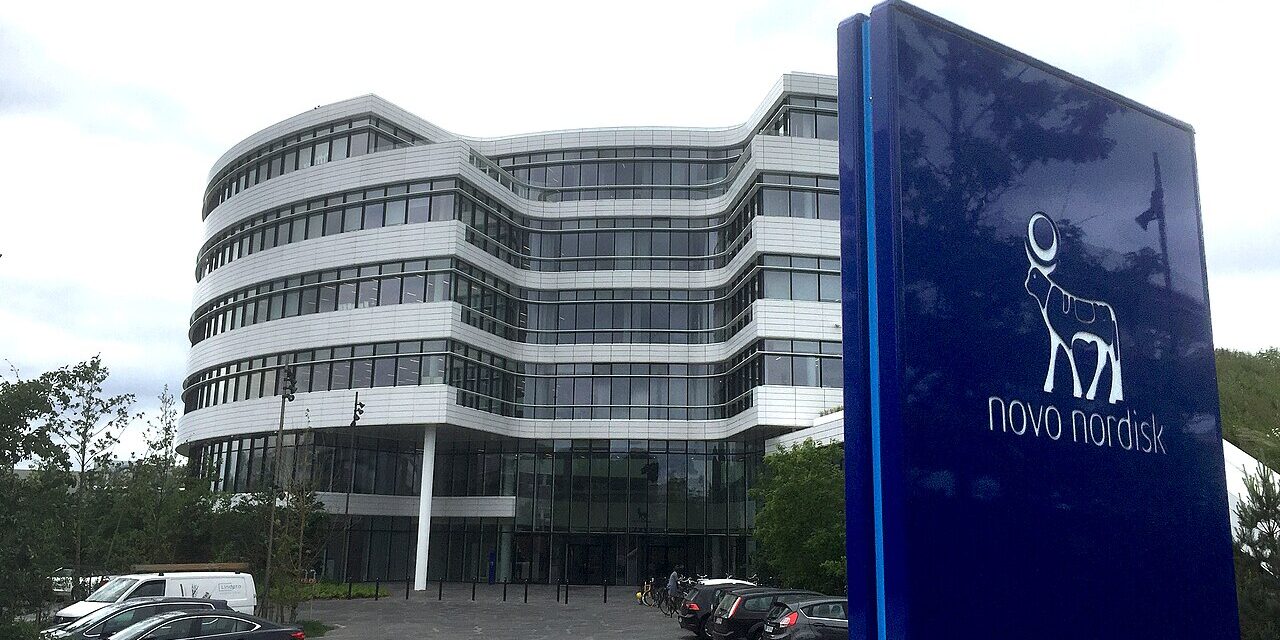
Novo Nordisk occupies a similarly dominant position, having leveraged its diabetes and obesity franchise into something far larger than a pharmaceutical story, becoming the most valuable publicly traded company in Europe by market capitalization.
The Danish drugmaker carries a market cap of roughly DKK1,222.5 billion, with its Diabetes and Obesity Care segment alone contributing DKK312.4 billion of a total DKK333.6 billion in revenue, while Blood and Endocrine Disorders added another DKK21.2 billion.
Tokyo, an investor participating in the Simply Wall St Community, framed the company’s ascent succinctly: “The surge in demand has brought tens of billions of dollars in revenue and transformed Novo Nordisk into Europe’s most valuable publicly traded company.”
Competition and drug pricing policy represent the most consequential variables for Novo Nordisk investors, particularly as governments and insurers across major markets reassess reimbursement frameworks for weight-loss treatments.
At the opposite end of the risk curve sits Kailera Therapeutics (NASDAQ: KLRA), a clinical-stage biopharma with no commercial revenue and a market cap of approximately US$1.6 billion, offering a pure pipeline wager on next-generation GLP-1 treatments.
The company’s primary asset is its Phase III KaiNETIC program, which is testing injectable ribupatide at doses up to 10 mg and is expected to produce top-line data in 2028.
Simply Wall St’s analyst consensus narrative notes that “progress of the global Phase III KaiNETIC program for injectable ribupatide, including higher dose testing up to 10 mg and expected top-line data in 2028, could open a path to commercial use in a large obesity population and influence Kailera Therapeutics’ future revenue base.”
KLRA shares gained 4.05% in recent trading, outpacing the modest advances of 0.56% and 0.37% posted by Lilly and Novo Nordisk respectively, reflecting the amplified volatility typical of pre-revenue biotechs.
The broader GLP-1 investing landscape extends well beyond these three names, with a full screener surfacing 51 additional large pharmaceutical and healthcare companies carrying meaningful diabetes, obesity, or drug delivery exposure.
Rising demand for these treatments is intersecting with macroeconomic forces including persistent elevated interest rates and AI-driven energy consumption, creating a more complex backdrop for allocating capital across the sector.
Investors weighing entry points across this theme face a fundamental choice between the relative predictability of established commercial franchises and the binary upside of clinical-stage contenders still years from any potential approval.
