
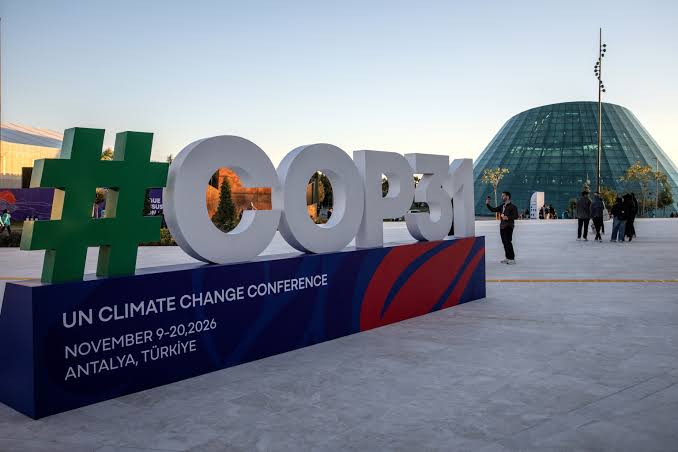
Eleven years after the Paris Agreement united nations around a shared climate vision, that consensus has shattered in the most dramatic fashion the UN process has ever seen.
The COP31 conference in Antalya, Turkey, dissolved without a binding agreement following more than two weeks of grueling negotiations, marking the first major breakdown in global climate talks since Copenhagen in 2009.
The summit holds the grim distinction of being the longest COP on record, stretching deep into overtime across the weekend before finally imploding without resolution.
At the center of the collapse was a bloc of oil-producing nations, led by Saudi Arabia, that refused to accept any reference to fossil fuels in the final agreement text.
The obstruction proved fatal even after negotiators had already stripped fossil fuel language from the draft proposal in an attempt to win consensus.
European delegations and representatives from smaller, climate-vulnerable nations walked away from the outcome, arguing the final text served the interests of oil exporters at the expense of the most exposed countries.
Panama’s climate minister Juan Carlos Navarro captured the anger felt across many delegations in unusually blunt terms: “We have all been kidnapped and are being held hostage by the oil producers and also by the biggest oil consumers.”
Sierra Leone’s environment and climate minister, Jiwoh Abdulai, had warned during negotiations that the trajectory of the talks was unprecedented in its dysfunction, saying, “What we’re seeing is something that should not be normalized.”
The fallout has extended well beyond government delegations, with former Obama administration White House climate and energy policy adviser Rohan Patel declaring on X that the UN process “ought to be shut down.”
The collapse in Antalya is being viewed as a catalyst for a wider reckoning, with longtime supporters of the annual UN framework now openly demanding structural reform of a process they once championed.
Analysts note the UN climate architecture had been quietly fracturing for years, and the Turkish debacle has now converted private frustration into public rebellion among nations that have historically defended the multilateral system.
The failure raises urgent questions about whether the annual COP format, which relies on unanimous consensus among nearly 200 countries, can survive the diverging economic interests of fossil fuel producers and climate-vulnerable states.
With no agreement in place and diplomatic trust at a historic low, the road to any successor framework appears longer and more uncertain than at any point since Paris.
