
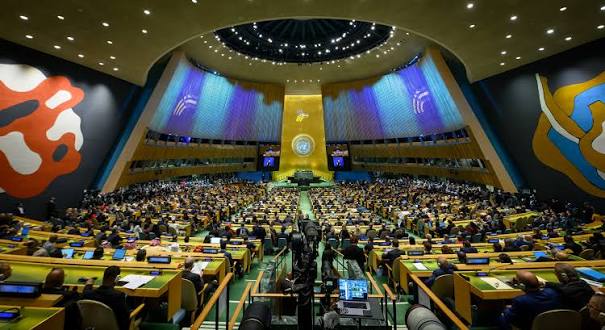
The most protracted United Nations climate summit on record has ended without a deal, marking the first complete breakdown in global climate negotiations since the ill-fated Copenhagen conference in 2009.
Running nearly two full days beyond its scheduled close, the COP31 gathering in Antalya, Turkey, dissolved Sunday after delegates from nearly 200 nations could not bridge a fundamental divide over the future of fossil fuels.
EU Commissioner for Climate Wopke Hoekstra walked out of the final session alongside Ireland’s Climate Minister Darragh O’Brien, with Hoekstra telling reporters bluntly: “That is not acceptable.”
The breaking point arrived when the European Union and a coalition of climate-vulnerable developing nations refused to endorse a closing text co-authored by host nations Turkey and Australia, which contained no commitment to phase out fossil fuels.
Turkish Minister Murat Kurum, who presided over the summit, was left with little recourse beyond publicly conceding defeat before a hall of exhausted negotiators.
Panama’s climate minister, Juan Carlos Navarro, had warned earlier in the week that the UN’s consensus-based model was structurally broken, saying “this ridiculous system of having absolute consensus, where 192 countries and 100,000 people who are here in Antalya agree on absolutely everything, it’s a recipe for disaster.”
The absence of the United States, which under President Donald Trump has withdrawn from international climate cooperation, further reduced the political leverage available to push holdouts toward compromise.
Chris Bowen, the COP31 president of negotiations, acknowledged the outcome was “very disappointing” while pointing to side agreements as evidence the broader process retained value.
More than 90 countries separately signed a pledge to accelerate the electrification of their economies, and negotiators completed a number of technical accords under what organizers called the action agenda track.
Some delegations argued those parallel achievements demonstrated the UN climate process could still produce results even when headline negotiations stall, though critics said they fell well short of what the climate crisis demands.
The summit closed with no new commitments on climate finance or the management of the fossil fuel transition, developments that analysts say place additional pressure on the viability of limiting global warming to 1.5 degrees Celsius.
Both the EU and Britain signaled they would not abandon the multilateral framework, issuing a joint statement declaring that history would measure COP31 not by whether a formal decision was adopted but by whether the international community met the defining challenge of the era.
The collapse in Antalya raises urgent questions about whether a process requiring unanimous agreement among scores of nations with competing economic interests can deliver the binding commitments scientists say are necessary to avert catastrophic warming.
