
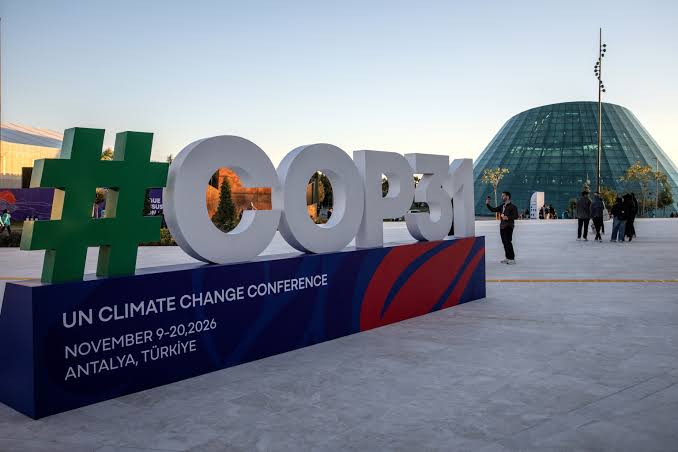
The global climate summit known as COP31 ended without a deal, marking a significant failure for international efforts to coordinate action on emissions and energy transition.
The breakdown at the climate conference came as American domestic politics delivered its own dramatic verdict, with Democrats capturing the House of Representatives by the largest margin seen in 50 years.
The scale of the Democratic victory represents a striking political realignment, underscoring deep dissatisfaction among voters and handing the party substantial legislative leverage heading into the new congressional term.
The twin developments on November 23, 2026 reflected a world managing competing crises simultaneously, from the stalled machinery of multilateral climate diplomacy to a reshaping of the American political landscape.
At COP31, negotiators from dozens of nations failed to bridge longstanding divisions over financing, emissions targets, and the responsibilities of major polluting economies, leaving the summit without a binding outcome.
The failure to reach a deal represents a serious setback for climate advocates who had hoped the conference would produce enforceable commitments ahead of what scientists widely regard as a critical window for reducing global warming.
Beyond the climate impasse and the U.S. election results, the conflict between Russia and Ukraine continued to generate alarm, with reported spillover of hostilities into Poland raising fears of a broader regional escalation.
The prospect of the war extending beyond Ukrainian territory would carry severe consequences for NATO alliance cohesion and European security architecture, adding urgency to diplomatic efforts already stretched thin.
Separately, the economic consequences of artificial intelligence remained a pressing concern for policymakers and business leaders, with debate intensifying over how AI-driven productivity shifts are reshaping labor markets and corporate structures.
The convergence of a fractured climate summit, a reshaped U.S. Congress, a war threatening to widen, and an AI-driven economic disruption illustrated the unusually dense set of pressures bearing down on governments and markets heading into late 2026.
