
The arithmetic of age, not ideology, is what Senator Bernie Sanders (I-Vt.) says closes the door on any future White House ambition.
Speaking on Steven Bartlett’s “The Diary of a CEO” podcast, Sanders offered a candid self-assessment about why a 2028 campaign makes little practical sense.
“I think probably not. I think taking office at 87 years of age and finishing my first term at 91 is not something that probably inspires a whole lot of people,” Sanders told Bartlett.
He left no remaining ambiguity when pressed further, stating flatly: “No, I’m not running for president.”
The remarks mark a definitive endpoint for a political figure who has shaped the left wing of American politics across two consecutive Democratic primary cycles.
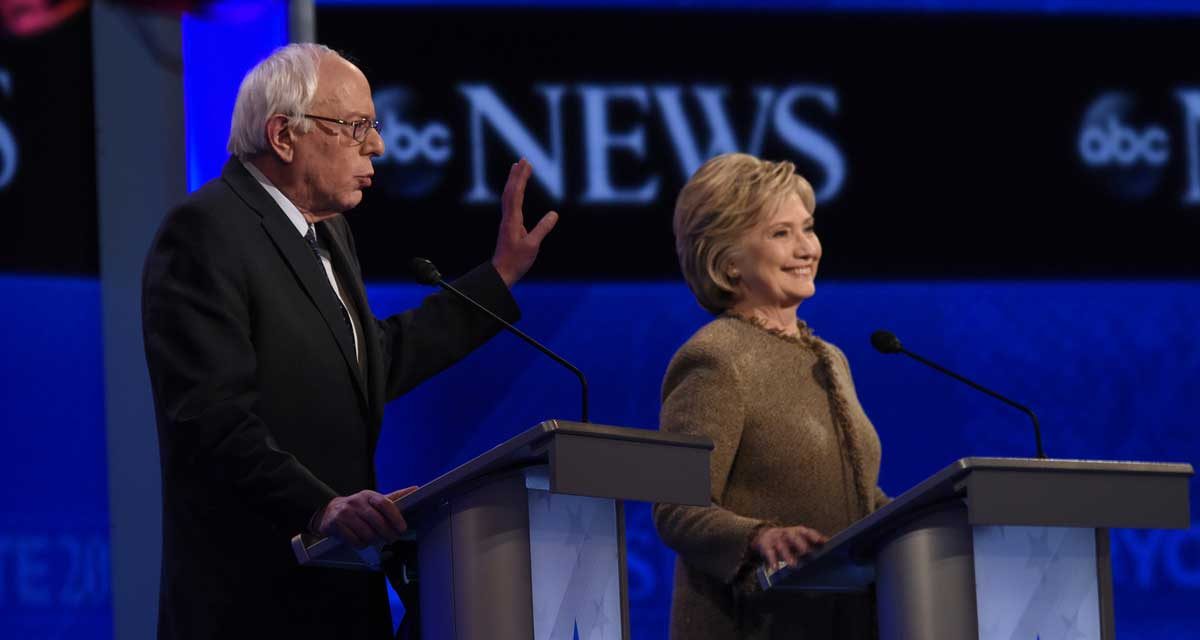
Sanders first sought the presidency in 2016, mounting a formidable challenge before ultimately losing the Democratic nomination to former Secretary of State Hillary Clinton.
He ran again in 2020, building early momentum before stepping aside to consolidate progressive support behind former President Biden ahead of that year’s general election.
His congressional career stretches back to 1991, and he served more than a decade in the House of Representatives before winning his Vermont Senate seat in 2006.
Sanders used the podcast conversation to push back against personality-driven campaign politics, arguing it is “not a good idea” to treat elections like “beauty contests.”
“The American people have to determine: what is their view on healthcare? There are great other candidates that are out there who may not be quite as well known,” he said, signaling where he believes the left’s energy should now be directed.
That framing has drawn fresh attention to Rep. Alexandria Ocasio-Cortez (D-N.Y.), a prominent progressive voice on Capitol Hill who has been increasingly discussed as a potential future presidential contender.
Sanders had already gestured at the twilight of his congressional tenure in a 2024 Politico interview, saying: “I’m 83 now. I’ll be 89 when I get out of here. You can do the figuring. I don’t know, but I would assume, probably, yes,” when asked whether his current Senate term would be his last.
Taken together, his comments paint a portrait of a senator preparing to pass the torch while remaining deeply invested in the policy direction of the broader progressive movement.
