
A straightforward valuation exercise suggests that splitting $10,000 equally between two obesity drug giants could grow to roughly $11,230 by the close of 2027.
That projection rests on modest assumptions: Eli Lilly’s price-to-sales ratio easing from 14.9 to 14.2, and Novo Nordisk’s ratio climbing from 3.56 to 4.0, implying gains of about 10.91% and 13.67% respectively.
The math translates to a $5,000 Eli Lilly (NYSE: LLY) position reaching approximately $5,546, while an equal stake in Novo Nordisk (NYSE: NVO) grows to around $5,684 over the same period.
What makes the comparison striking is how differently the two companies have traded over the past year, despite competing in the same high-growth weight loss drug market.
Eli Lilly shares have surged 41% during that stretch, powered in part by third-quarter revenue growth of 39% and a pipeline that investors regard as one of the pharmaceutical industry’s richest.
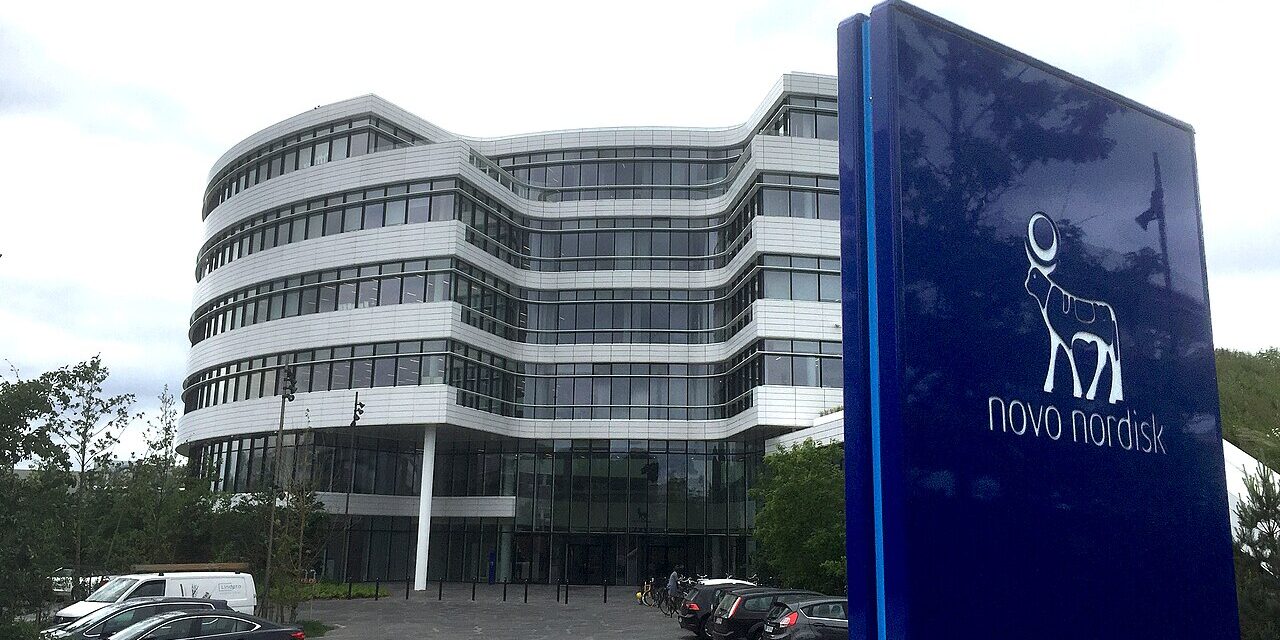
Novo Nordisk, by contrast, shed 15% over the same period, a slide that reflects competitive pressure and uncertainty over its next generation of treatments.
The Danish pharmaceutical giant’s fortunes could shift quickly, however, with a regulatory decision on CagriSema potentially arriving before year-end.
CagriSema, a next-generation medicine targeting both diabetes and weight loss, already demonstrated superiority over Wegovy in a head-to-head clinical trial, giving the company a credible path to recapturing market share.
Analysts currently project Novo’s full-year revenue at roughly 309.47 billion DKK, equivalent to about $45.63 billion, with next year’s figure expected to reach approximately 313.08 billion DKK, or around $46.16 billion.
Eli Lilly’s near-term growth story centers on retatrutide, a next-generation obesity and diabetes therapy that posted strong Phase 3 trial results and is expected to enter regulatory review in early 2027.
The company projects revenue of $91.5 billion at the midpoint for the current year, and Wall Street analysts are forecasting an average of $106.49 billion for next year, reflecting confidence in that pipeline momentum.
Oral Wegovy and several additional pipeline assets give Novo multiple shots at reinforcing its position in the diabetes and obesity space beyond CagriSema alone.
The broader weight loss drug market is expanding fast enough that both companies can grow simultaneously, which is a key reason analysts view the sector as one of healthcare’s most durable long-term opportunities.
Over a decade-long horizon, both Eli Lilly and Novo Nordisk are widely regarded as core healthcare holdings, even if short-term stock movements remain difficult to forecast with precision.
For investors comfortable with pharmaceutical sector volatility, the divergence in recent share performance may present an entry point into two businesses with overlapping but complementary competitive positions.
