
With a record backlog of $3.57 billion and Wall Street pricing in 51% upside, Rocket Lab (NASDAQ: RKLB) is entering what could be its most consequential year in company history.
That backlog, which surged 52% from the prior quarter and includes 117 contracted launches, reflects demand that has outpaced what the stock price currently suggests.
Shares sit at $61.53, down 11.8% year to date, even as the company marked a historic operational milestone on November 14, 2026.
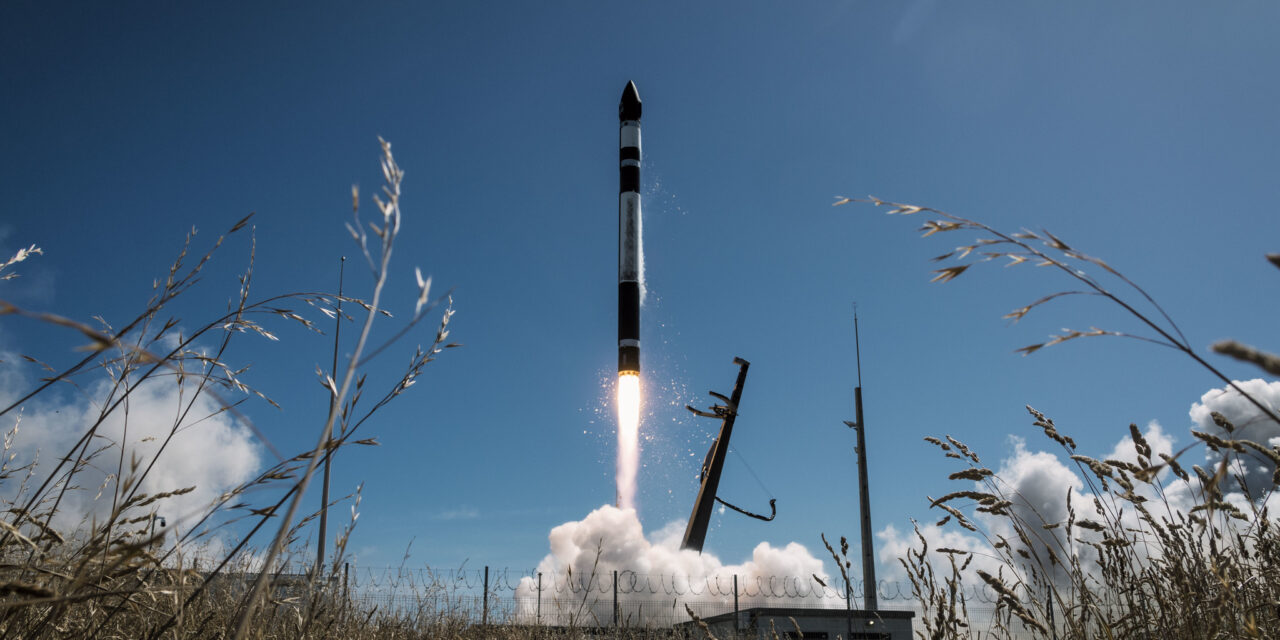
On that date, Rocket Lab completed its 100th Electron launch from New Zealand, deploying an Earth-imaging satellite for Japanese operator iQPS.
The company says no other commercially developed rocket has reached that threshold faster, with the Electron program having begun with its maiden flight back in May 2017.
CEO Peter Beck has indicated the business shows no sign of slowing, noting that the next 100 Electron missions are already fully booked, with production now averaging one rocket every eight workdays.
Despite that operational momentum, the path to $100 per share requires a 62.5% gain, a move that is steep but not unprecedented given the stock’s 52-week range of $37.57 to $151 and a five-year return of 328.18%.
Analysts appear constructive, with 5 Strong Buy and 13 Buy ratings, zero Sell recommendations, and a consensus price target of $93.10 that implies roughly 51% upside from current levels.
Revenue expectations underpin that optimism, with forecasts pointing to $1.34 billion in 2027, approximately 37% above the $980 million analysts project for 2026, and the company has beaten revenue estimates in each of its last seven reported quarters.
The Q3 earnings picture was murkier on the bottom line, where a GAAP loss of $0.12 per share missed the $0.0665 estimate, though one-time charges including a $27.26 million debt extinguishment loss and $21.34 million in Iridium deal costs were responsible for the gap.
Because analysts expect a 2027 per-share loss of $0.0761, price-to-sales has become the more relevant valuation lens, with shares currently trading at roughly 29 times estimated 2027 revenue versus a trailing ratio of 48.89.
At $100 per share, that forward multiple would climb to approximately 47 times, a level that is elevated but consistent with how the market has historically valued this stock.
The larger variable is Neutron, Rocket Lab’s medium-lift rocket targeting its first launch no earlier than 2027, after engineers discovered voids in a Stage 1 tank dome that required a replacement component.
Beck offered a measured update on that fix, saying the replacement dome cured into “a nice, clean forward dome,” though management has declined to commit to a specific launch month.
Demand for Neutron is already substantial, with 16 missions booked at a combined value exceeding $515 million and the base launch price having risen from $55 million to $70 million, with next available slots stretching into the 2030s.
CFO Adam Spice stated on the Q3 earnings call that adjusted EBITDA should turn positive within six months of Neutron’s first successful test flight, marking a potential inflection point for profitability.
Execution risk remains real: a single successful Neutron flight would still leave Rocket Lab needing to demonstrate reliability, launch cadence, and margin expansion before investors could fully reprice the stock.
