
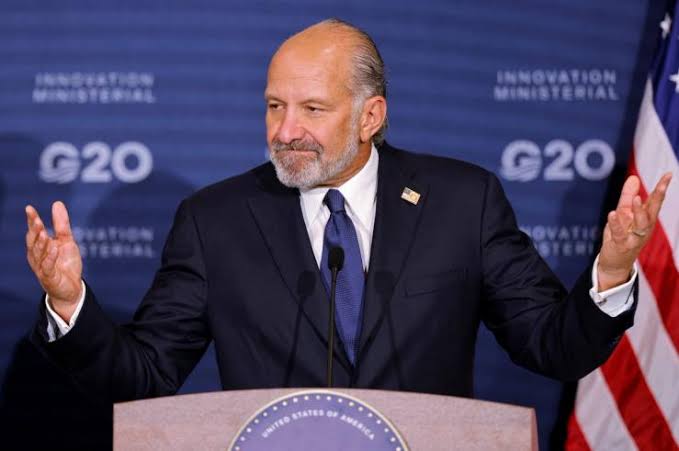
Senate Banking Committee Chairman Tim Scott is demanding Commerce Secretary Howard Lutnick appear before a public congressional hearing to answer for his department’s handling of semiconductor export controls.
Scott, the South Carolina Republican who leads the committee, sent letters to both Lutnick and former Nvidia chief executive Jensen Huang seeking testimony on what he described as serious national security concerns tied to the chip giant.
Huang and other senior Nvidia executives have separately agreed to appear before lawmakers at a closed-door congressional session, Rep. John Moolenaar of Michigan confirmed Sunday.
The Republican pressure on Lutnick has escalated sharply over his failure to restrict exports of Nvidia’s (NASDAQ: NVDA) most advanced computer chips to China, despite repeated directives from the White House.
President Donald Trump raised the matter with Lutnick on at least three separate occasions, asking him to pursue tighter controls on the company’s highest-performance semiconductors, according to prior reporting by The Washington Post.
Treasury Secretary Scott Bessent also stepped into the dispute, directly confronting Lutnick and pressing him to explain why no meaningful action had been taken against the chip exports.
Underlying the political fallout are U.S. intelligence warnings that then-CEO Jensen Huang was allegedly conducting an affair with a woman suspected of working as a Chinese intelligence operative.
Huang, who had led Nvidia since its founding, stepped down Thursday as the scandal continued to draw scrutiny from both the intelligence community and Capitol Hill.
Sen. Scott’s letter frames the congressional inquiry around “public reports about Nvidia and the Department of Commerce’s role that raises national security concerns,” underscoring the gravity lawmakers attach to the matter.
The episode has exposed tensions within the Republican Party over trade and national security policy, with some members openly questioning whether Lutnick’s inaction gave China continued access to cutting-edge American chip technology.
Lutnick’s anticipated Senate Banking Committee appearance is expected to become one of the more contentious hearings of the year, with lawmakers from both chambers seeking detailed answers about the Commerce Department’s decision-making process.
The combined congressional momentum, spanning both public hearings and closed-door executive sessions, signals that the Nvidia affair is far from resolved and could reshape how Washington regulates sensitive technology exports going forward.
