
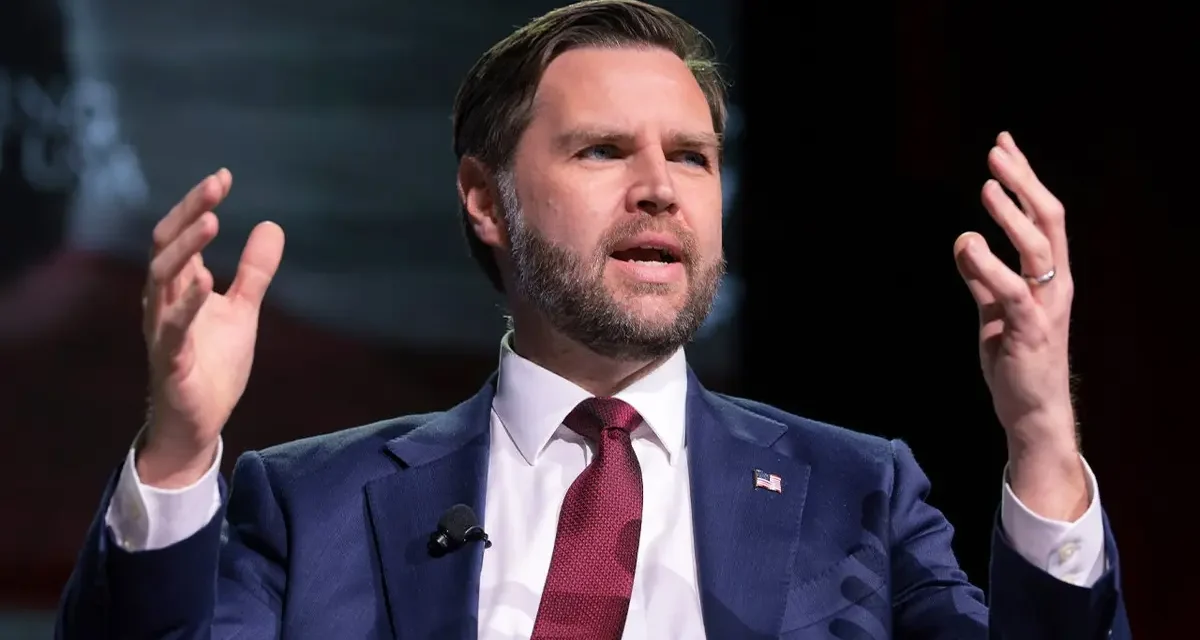
Republicans lost Senate seats and governorships in states President Trump and Vice President Vance had carried by double-digit margins just two years earlier, while the party surrendered a large House majority.
The scale of the defeat has ignited a sharp public dispute between two of the GOP’s most prominent figures over what, precisely, went wrong.
Vance pointed his finger squarely at the Iran conflict in a lengthy post on X following the election, writing simply, “the reason we lost is the war.”
NBC News exit polling lends considerable weight to that diagnosis, showing 64% of surveyed voters believed the United States made the “wrong decision in taking military action against Iran.”
A further 74% of those exit poll respondents said the Iran conflict was either a “crucial” or “major” factor in shaping how they voted, a figure that suggests the war dominated the electoral calculus for a broad swath of the electorate.
Former Vice President Mike Pence, however, forcefully rejected Vance’s framing during a Sunday appearance on NBC’s “Meet the Press,” insisting the party’s failure stemmed from stopping the war too soon, not from starting it.
“We didn’t lose this midterm election because of the war,” Pence said, arguing instead that voters grew frustrated watching the military stand down after just five weeks of what he described as a brilliant campaign, Operation Epic Fury.
In Pence’s telling, the decision to halt military operations allowed Iran to launch counterattacks that ultimately shut down the Strait of Hormuz, sending gasoline and diesel prices sharply higher and angering American consumers.
Pence attributed that premature withdrawal from the conflict to what he described as “voices of isolationism on the populist right that have gained some purchase with this administration,” a pointed rebuke of the ideological currents shaping Trump-era foreign policy.
Beyond the war itself, Pence listed tariffs, corruption, and what he characterized as “appeasement” of Iran among the factors he believes cost Republicans control of Congress, a broader indictment than most prominent figures in the party have offered.
While calling Vance a “good man,” Pence did not hold back from wider criticism of the administration, saying it had taken the party “far afield from the principles of American leadership in the world, limited government and fiscal responsibility.”
Pence declined to endorse Vance as a 2028 presidential contender, a conspicuous omission that underscores the depth of the ideological fault line now dividing the party’s establishment and populist wings as the next primary cycle approaches.
