
Firefly Aerospace (NASDAQ: FLY) surged 36.8% to $20.76 on November 6, 2026, its largest daily advance since shares began trading on August 7, 2025, topping even the 34.1% first-day gain above its IPO price.
The catalyst was a multibillion-dollar engine licensing agreement with AST SpaceMobile (NASDAQ: ASTS), a deal that Firefly’s management will discuss further on an earnings call scheduled for 5 p.m. ET on November 10.
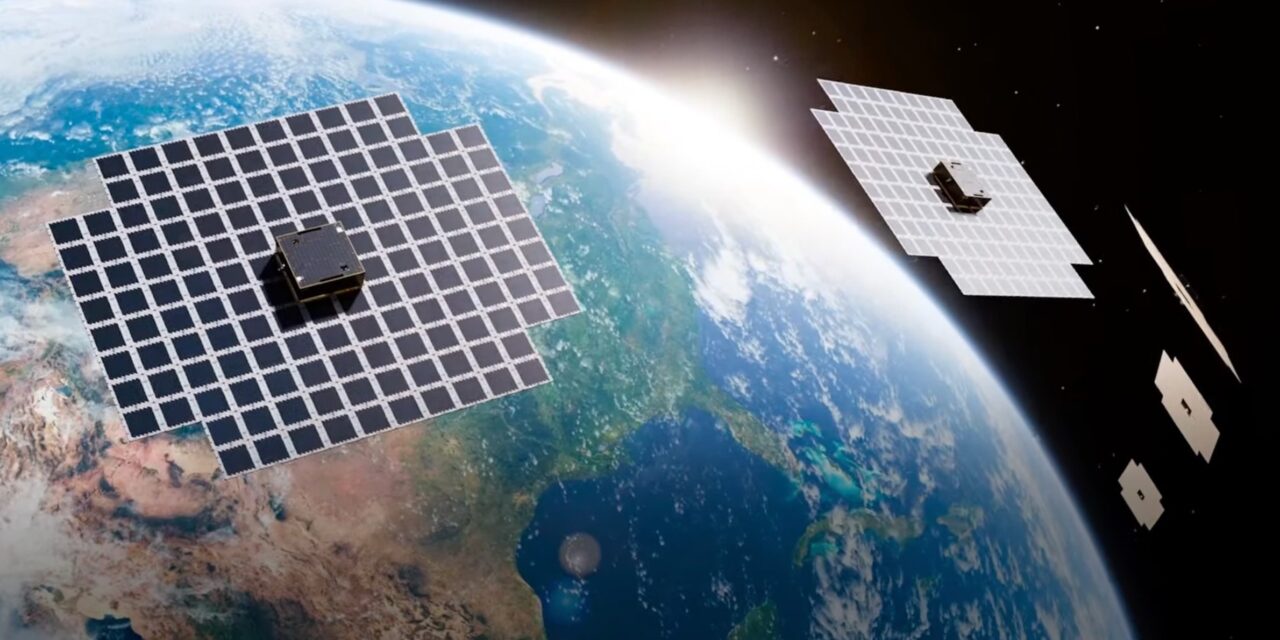
AST announced before the open that it intends to develop Blacklift, a reusable rocket designed to carry up to five of its BlueBird satellites per flight, with an initial launch target set for late 2028.
Firefly will supply the propulsion, granting AST a permanent license to manufacture its Miranda engine and Vira, the vacuum-optimized variant, at a dedicated U.S. engine facility, while retaining the underlying intellectual property.
AST President Scott Wisniewski argued the arrangement shortens development timelines significantly, saying the Miranda engine lets the company “leapfrog the traditional five-to-ten-year development cycle.”
The financial terms are substantial: the license alone carries an upfront cost of roughly $800 million, split between $400 million in cash and between 10 million and 14 million AST Class A shares, with the final share count tied to a forward volume-weighted average price.
That structure means a weaker AST stock price during the measurement window results in more shares flowing to Firefly, amplifying dilution for existing AST shareholders even as those shares carry lock-up restrictions.
Beyond the license, AST commits an additional $250 million for engines covering 27 Miranda and nine Vira units for its first three rockets, plus another $250 million for three years of engineering support, bringing the total deal value above $1.3 billion.
For Firefly, the agreement represents roughly 37% of its $3.48 billion market cap and approximately 4.5 times its trailing annual revenue of $287.01 million, explaining much of the stock’s dramatic move, even though shares remain about 54% below their $45 IPO price.
AST’s own stock whipsawed on the news, touching a fresh 52-week low of $27.58 before recovering to close at $32.33, up 7.05%, a volatile session that reflects investor uncertainty about what the program costs versus what it delivers.
The rocket itself does not yet exist, and AST plans a formal public unveiling in New York on November 12, leaving the late-2028 launch target dependent on engineering milestones that have not been demonstrated.
Meanwhile, AST already holds launch agreements with SpaceX, India’s space agency, and Blue Origin covering more than 100 BlueBirds through 2027 and 2028, and the company named no existing provider it intends to drop.
The more pressing operational goal remains getting roughly 45 satellites into orbit by early 2027, a timeline that Blacklift does nothing to accelerate.
That tension sits at the center of investor concern: AST reported a net loss of $230.91 million in the second quarter alone, and a capital-heavy rocket program adds cash burn before a single BlueBird generates meaningful revenue.
Alphabet (NASDAQ: GOOG, NASDAQ: GOOGL) held 8,943,486 AST shares as of September 30, a position valued at approximately $289 million at the November 6 closing price, making the dilution question directly relevant to some of the company’s most prominent backers.
AST reported pro forma liquidity above $3.7 billion, which management will likely cite as the financial cushion supporting the program when the company releases its third-quarter results after the close on November 9.
Firefly collects cash and stock whether or not Blacklift ever reaches a launchpad, giving it a structurally more secure financial outcome from the arrangement than AST shareholders currently enjoy.
