
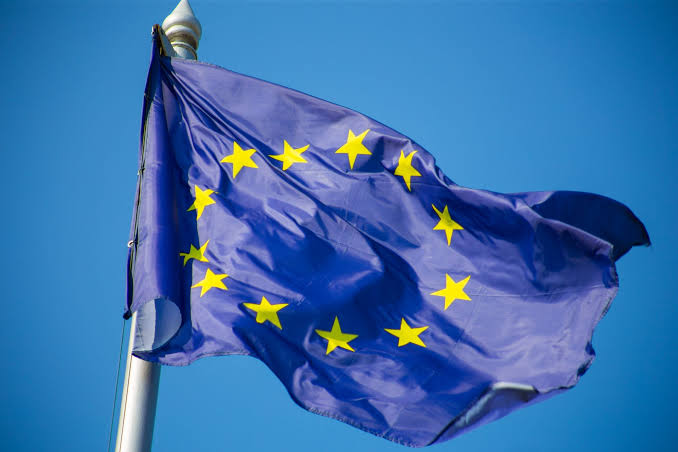
For the fifth straight year, Seoul has signed on as a co-sponsor of a European Union-drafted United Nations resolution targeting North Korea’s human rights record.
South Korea’s decision, confirmed through the Yonhap News Agency, marks a sustained policy posture under the current government, having resumed co-sponsorship after a three-year pause.
That pause ran from 2019 to 2021 under former President Moon Jae-in, whose liberal administration stepped back from the resolution amid broader diplomatic engagement efforts with Pyongyang.
The draft resolution is now expected to pass through the UN General Assembly’s Third Committee before moving to a full General Assembly vote for final approval later this month.
It would continue an unbroken streak: the General Assembly has condemned North Korea’s human rights record through such resolutions every year since 2005.
Pyongyang wasted little time responding, with its UN mission issuing a statement through the official Korean Central News Agency characterizing the EU initiative as a “farce” and a “politically motivated provocation.”
North Korean officials accused the resolution of “flagrantly distorting” the country’s human rights policies, and pushed back against what they described as a Western attempt to claim ownership over the concept of human rights itself.
Pointing to civil unrest across Europe, the North Korean mission argued that demonstrators on the continent were themselves fighting for basic rights, stating: “Streets are filled with demonstrators from all walks of life demanding such elementary rights as the rights to existence.”
The statement closed with a direct challenge to Brussels, with the mission declaring: “The EU had better mind its own business, instead of hyping up the non-existent ‘human rights issues.'”
North Korea has for decades faced sustained criticism from the United Nations and international human rights organizations over what advocates describe as systematic abuses within its borders.
Pyongyang has consistently denied those allegations, framing external scrutiny as politically motivated interference in its internal affairs rather than legitimate international concern.
The dual move by the EU and South Korea signals continued multilateral pressure on Pyongyang at the UN level, even as diplomatic channels between the Korean peninsula’s two governments remain largely frozen.
