
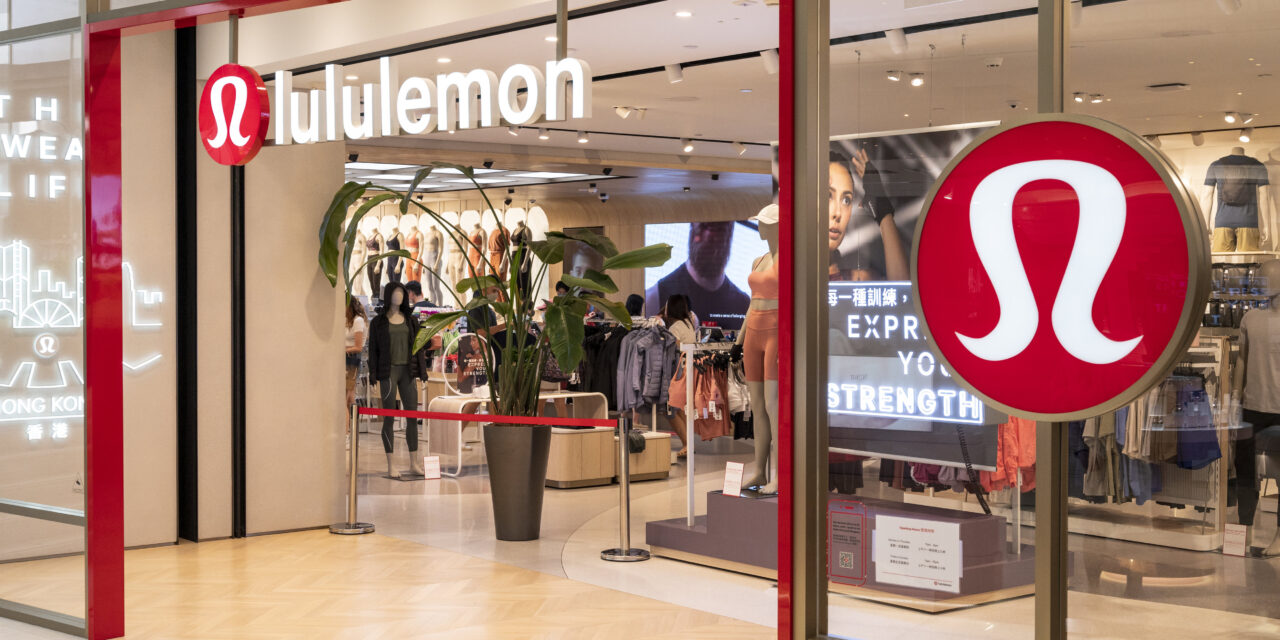
A valuation rarely seen for a premium athletic apparel brand has emerged at Lululemon (NASDAQ: LULU), now trading at just 12.2 times forward earnings following a bruising six-month decline.
The stock has shed 26.8% of its value over that period, landing at $104.24 per share, with softer quarterly results cited as a contributing factor in the pullback.
For long-term investors, the selloff may obscure a business with structural advantages that have not materially deteriorated alongside the share price.
One of the most compelling indicators is Lululemon’s store expansion pace, which has averaged 7.2% annual growth over the past two years, ranking among the fastest rates in the consumer retail sector.
The company now operates 825 locations globally, and continued openings typically signal that management believes consumer demand is outpacing the reach of its existing footprint.
New stores are generally opened in markets where supply falls short of demand, particularly in areas where shoppers lack a convenient physical location to access the brand.
Beyond physical growth, Lululemon’s unit economics stand out sharply from most retail peers, with the company averaging a 57% gross margin over the past two years.
That figure means the company paid its suppliers just $43.02 for every $100 in revenue generated, a ratio that leaves substantial room to fund marketing, talent acquisition, and brand investment.
High gross margins of this kind typically reflect either strong pricing power, meaningfully differentiated products, or both, all of which are relevant to Lululemon’s positioning in the premium athletic wear segment.
The company, which built its original following among yogis and hockey players before expanding into broader athletic and lifestyle apparel, has maintained that premium identity even as competition has intensified.
However, one metric warrants real caution: same-store sales, which track revenue changes at locations and e-commerce channels operating for at least a year, have been essentially flat across the same two-year window.
Flat same-store sales suggest that organic demand within the existing store base is stagnant, meaning the company’s overall growth has leaned heavily on new location openings rather than deeper penetration of current markets.
That dynamic raises questions about whether Lululemon’s core customer is becoming saturated, or whether competitive pressure from rivals is beginning to suppress repeat purchasing behavior.
Investors will need to weigh a genuinely attractive valuation and strong margin profile against a same-store sales trend that points to limited momentum at the ground level.
