
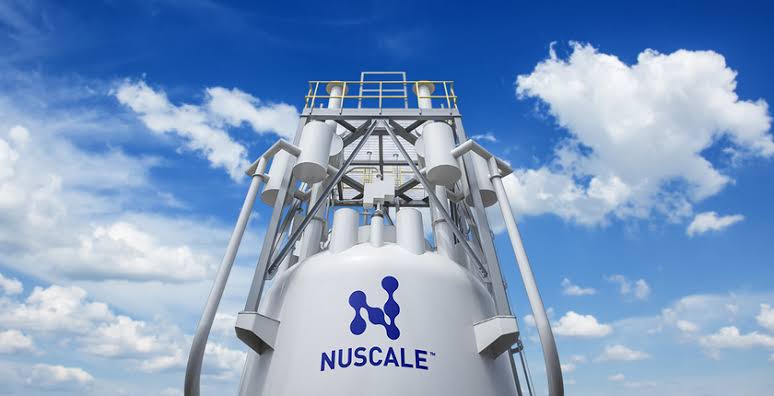
NuScale Power (NYSE: SMR) is under mounting legal pressure, with multiple shareholder rights firms actively investigating whether the nuclear energy startup committed securities fraud.
A class action lawsuit has been filed against the company, alleging that NuScale misled investors about the operational capabilities of its commercial partner, ENTRA1 Energy.
NuScale has denied any wrongdoing, but the reputational fallout from the litigation is widely seen as a drag on its ability to close the commercial agreements it urgently needs.
That urgency is underscored by the company’s current commercial pipeline, which consists entirely of non-binding arrangements rather than firm, revenue-generating contracts.
NuScale holds a non-binding agreement with the Tennessee Valley Authority covering up to 6 gigawatts of potential capacity, a figure that sounds substantial but carries no financial guarantee.
The company is also working to satisfy outstanding conditions tied to a nuclear project in Romania through a venture called RoPower, though that arrangement has not yet reached a binding stage either.
What makes NuScale’s situation particularly striking is the contrast between its regulatory standing and its commercial fragility, with the company holding an advantage no competitor can claim.
NuScale is the only small modular reactor developer to have received design approval from the U.S. Nuclear Regulatory Commission, a certification that took years and significant resources to obtain.
Its reactor components are already in commercial production, meaning the technical pathway to deployment is more advanced than any rival in the SMR sector.
Yet regulatory approval and manufacturing readiness have so far failed to translate into the binding power purchase agreement that investors and analysts say the company needs to demonstrate a viable business.
With shares trading below $6, the stock reflects deep skepticism about whether NuScale can convert its technical lead into a sustainable revenue model before its financial position deteriorates further.
The combination of unresolved litigation, active fraud investigations, and an absence of contracted revenue creates a risk profile that makes the stock difficult to recommend to most investors at this stage.
Until NuScale secures at least one firm commercial deal and achieves greater legal clarity, the company’s pioneering NRC certification may count for far less than its balance sheet requires.
