
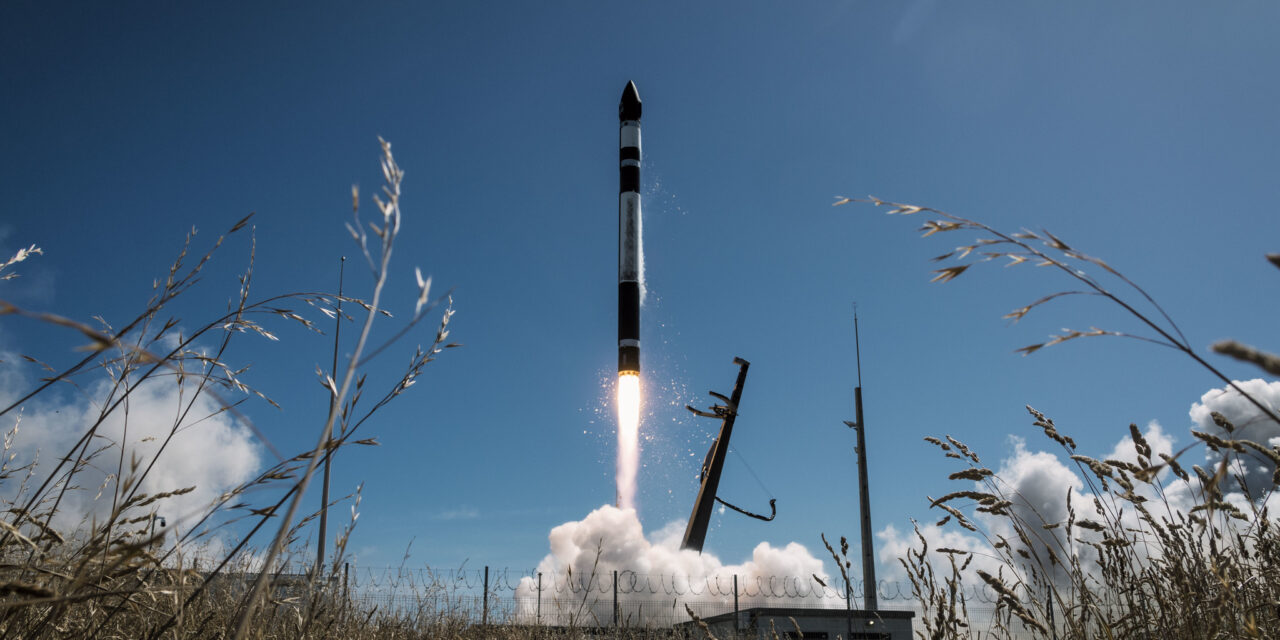
Rocket Lab (NASDAQ: RKLB) successfully launched three satellites into orbit on October 23, 2026, as part of a dedicated Electron mission for HawkEye 360.
The mission extended Rocket Lab’s existing commercial relationship with HawkEye 360, adding another cluster to the radio frequency analytics company’s growing constellation.
HawkEye 360 operates a constellation designed to gather and analyze radio frequency data, making reliable small-satellite launch partnerships critical to expanding its coverage capabilities.
The launch maintains Rocket Lab’s small-satellite deployment cadence at a time when its larger Neutron launch vehicle program continues to face delays that have drawn investor attention.
Neutron’s development timeline has become a central concern for analysts tracking the company, with prolonged research and development spending placing pressure on cash flow and raising dilution questions.
Electron’s continued commercial activity helps offset some of that concern by demonstrating that Rocket Lab’s existing launch infrastructure remains competitive and capable of winning repeat customers.
Rocket Lab operates a dual-focused business model, combining small-satellite launch services with broader space systems work for customers across the United States, Canada, Japan, and other international markets.
The investment case for Rocket Lab centers on whether a vertically integrated space platform can convert frequent Electron launches and in-house hardware manufacturing into durable, higher-margin long-term contracts.
As the company has highlighted, “high launch cadence, satellite manufacturing, and reusable rocket development enable multi-year revenue growth, backlog expansion, and broader market access.”
Each Electron mission reinforces the portion of Rocket Lab’s strategy that is delivering results today, with regular flights helping to attract data and defense customers seeking end-to-end solutions rather than one-off launch services.
At the same time, Neutron’s ongoing delays leave the medium-lift payload market largely in the hands of SpaceX and other rivals, raising questions about how long Electron revenue alone can sustain the company’s broader ambitions.
The contrast between Electron’s operational performance and Neutron’s stalled progress means Rocket Lab’s story can be read as either a demonstration of resilience or a temporary measure buying time for a larger payoff.
RKLB shares fell 4.54% on the day of the launch, reflecting broader investor uncertainty around the company’s development timeline and financial trajectory despite the mission’s operational success.
