
Rocket Lab (NASDAQ: RKLB) pushed back the first launch of its Neutron rocket into 2027 after inspectors discovered a manufacturing flaw in a key structural component.
The defect was found in the carbon composite of a tank dome in the rocket’s first stage, forcing the company to build a replacement part using a reworked manufacturing process.
CEO Sir Peter Beck confirmed that inspectors found voids, described as tiny air pockets, in the carbon composite of a newly built forward dome for Neutron’s first-stage propellant tank.
Beck clarified that the voids did not necessarily mean the dome would fail in flight, but the company opted to manufacture a replacement rather than accept any uncertainty.
Rocket Lab will not set a firm launch date for Neutron until it completes first-stage testing, which the company hopes to finish in the first quarter of 2026.
The news sent shares sharply lower, with RKLB now trading approximately two-thirds below its all-time high reached in May, putting pressure on an already growth-focused investor base.
The delay also pushes back management’s goal of achieving positive adjusted EBITDA, since that profitability milestone is directly tied to Neutron’s commercial success and deployment.
Despite the setback, Rocket Lab’s underlying business continues to generate significant momentum, with the vast majority of current revenue coming from space systems rather than rocket launches.
In the second quarter, Rocket Lab reported revenue of $234 million, representing 62% year-over-year growth, with $190 million of that total derived from space systems including satellites, spacecraft, and components.
The company ended the second quarter with $2.36 billion in revenue backlog, more than double the level recorded in the same period the prior year, signaling strong forward demand across its business lines.
Approximately 60% of that backlog originates from space systems contracts, providing a meaningful revenue cushion that is not entirely dependent on Neutron’s launch timeline.
The remaining backlog includes roughly 100 upcoming missions, a mix of Electron small-rocket launches and future Neutron payloads, reflecting the breadth of Rocket Lab’s commercial pipeline.
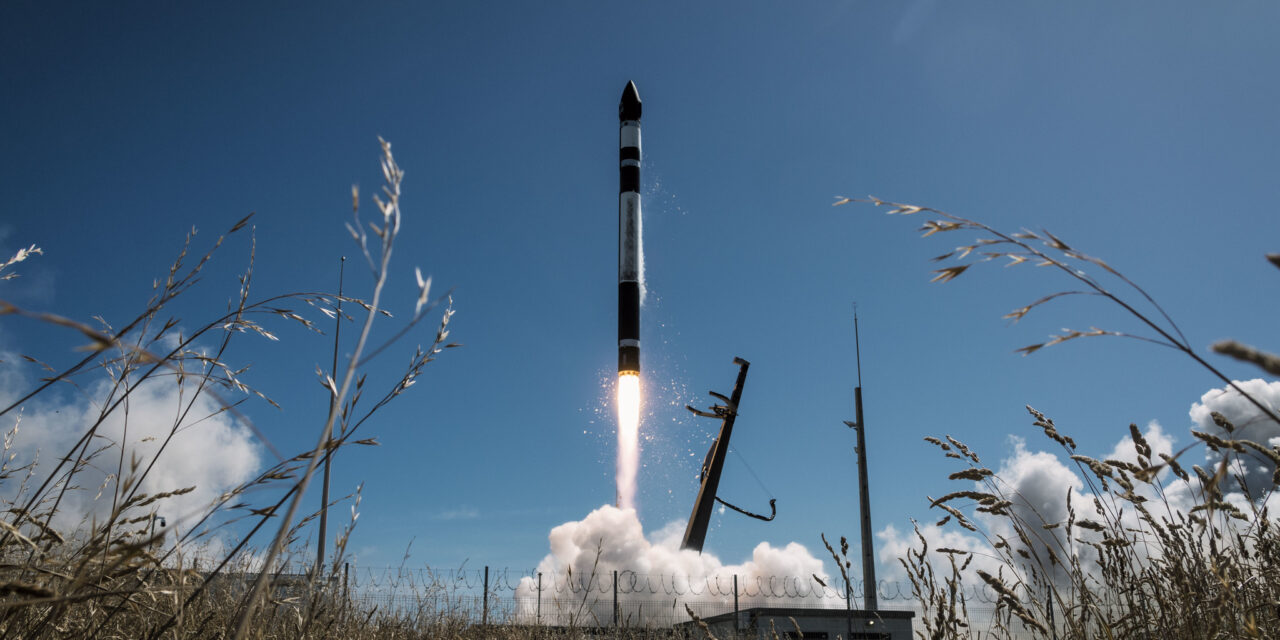
Every Rocket Lab launch conducted to date has used its Electron rocket, a small-lift vehicle, while Neutron is designed to carry significantly larger payloads and compete directly with SpaceX’s Falcon 9.
At its current market capitalization, Rocket Lab trades at approximately 40 times sales, a premium valuation that reflects the company’s long-term growth potential even as it continues to operate at a loss.
For patient investors with a high risk tolerance, the sharp decline from peak levels has opened a potential entry point into a company with a substantial backlog and a growing space systems business.
