
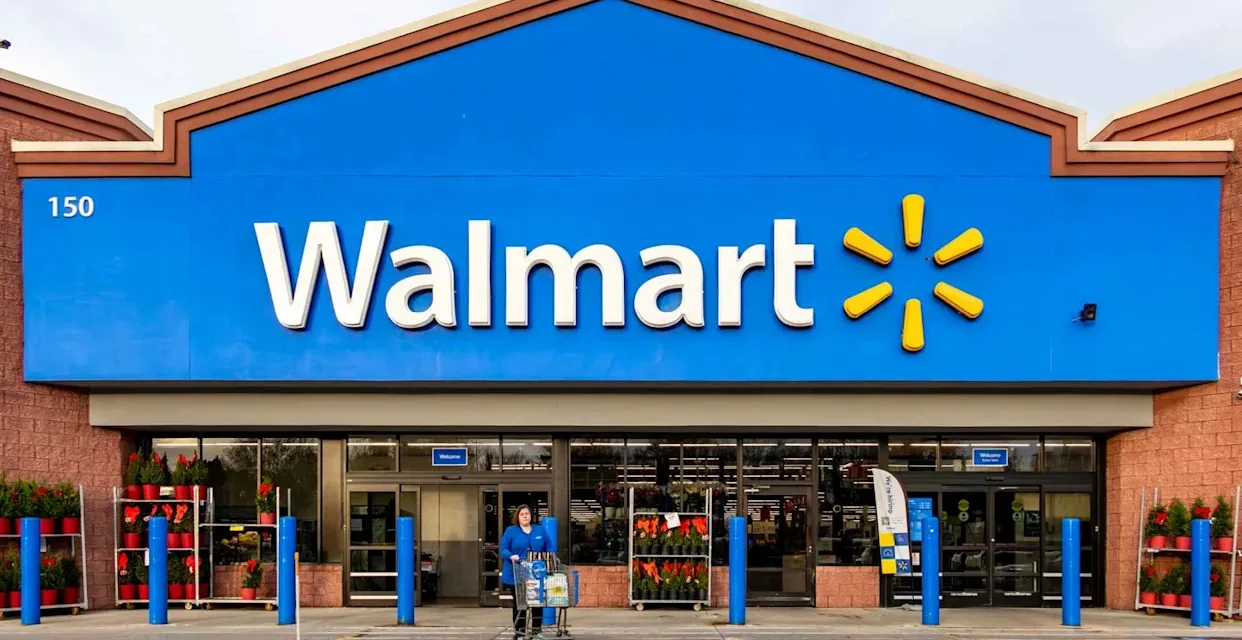
Walmart (NYSE: WMT) is making a deliberate push into fashion, expanding its private-label clothing lines and establishing a dedicated design presence in New York City.
Julie Barber, Walmart US executive vice president and chief merchandising officer, confirmed the retailer made an intentional strategic decision to pursue a larger share of its customers’ clothing budgets.
“A few years ago, we made a real intentional choice to say that we wanted to move forward even more in our fashion,” Barber said, noting that the chain recognized it was not capturing its full potential in apparel.
Barber explained that the company identified a gap, acknowledging that Walmart “wasn’t getting all of our customer’s closet” and set out to change that through targeted investment in talent and product development.
To support the fashion push, Walmart assembled a New York-based team of designers, fit specialists, and sizing experts to stay closer to emerging trends and the broader fashion industry.
“We’ve established a design team, a fit team here, sizing,” Barber said, adding that the company also attended Fashion Week and hosted a pop-up showcasing its private-label brands for the fall season.
The retailer’s fashion portfolio currently includes three key private-label brands: Scoop, Free Assembly, and Scenario, a Bohemian-styled line priced mostly at $25 and under.
Free Assembly is now available across all Walmart stores, while Scoop has reached a strong majority of locations, and Scenario is gaining traction with style-focused shoppers seeking trend-driven pieces at low price points.
One standout product in the expansion is a $60 cashmere sweater, which Barber highlighted as an example of how the company is testing slightly higher price points while maintaining value for shoppers.
Barber said the company follows a disciplined testing approach, trialing new items in a small group of stores and online before expanding distribution, ensuring products resonate with customers before scaling.
She noted that 99% of Americans shop at Walmart, giving the retailer a unique platform to introduce elevated fashion pieces to a mass audience without abandoning its core value proposition.
Private-label products now account for more than half of Walmart’s fashion sales, with Barber describing these exclusive brands as a key differentiator that national brand competitors simply cannot replicate.
The strategy extends beyond clothing, with Walmart also leaning heavily on its own brands in home goods and food to give customers distinctive products at competitive price points across multiple categories.
